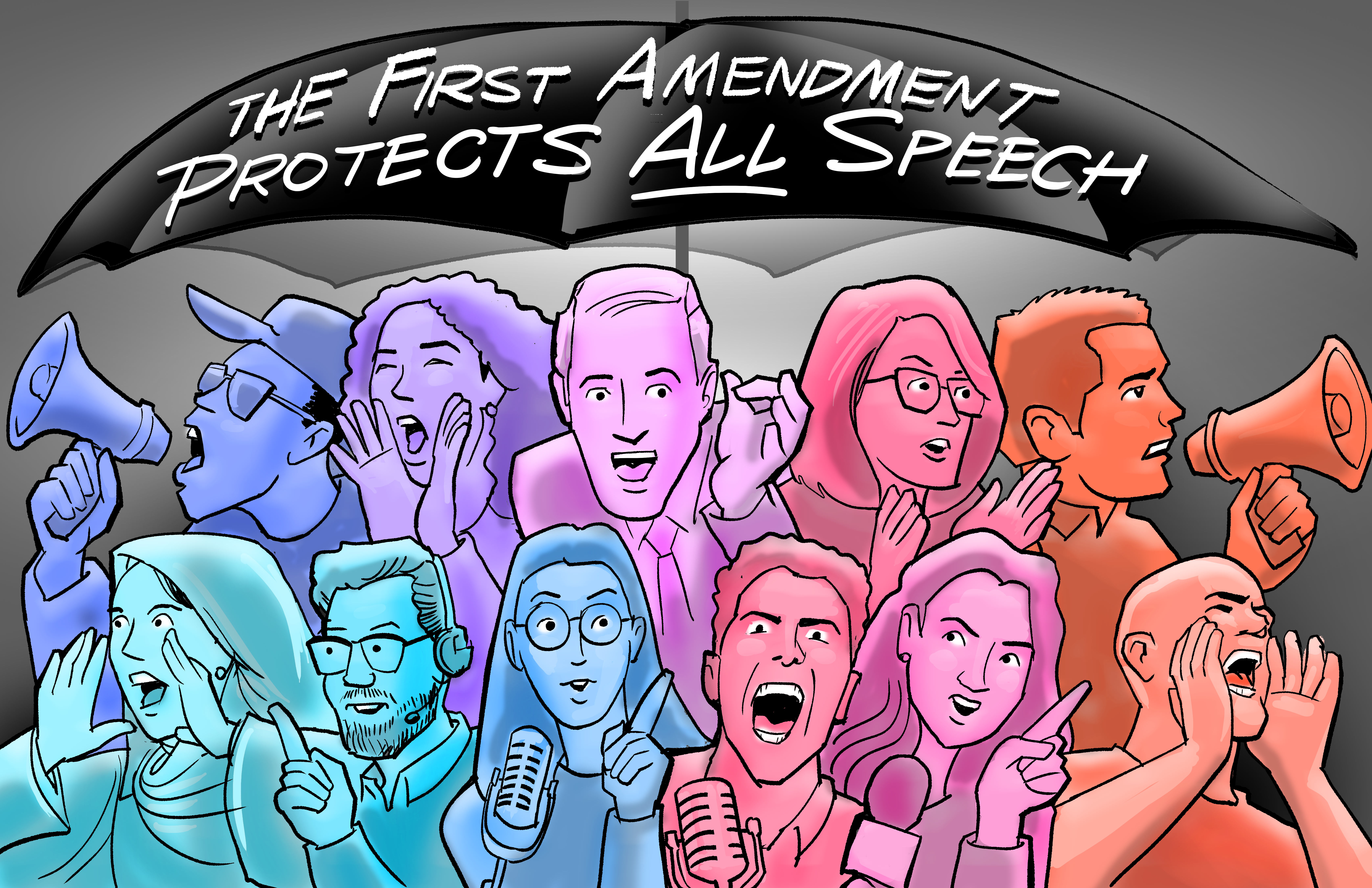
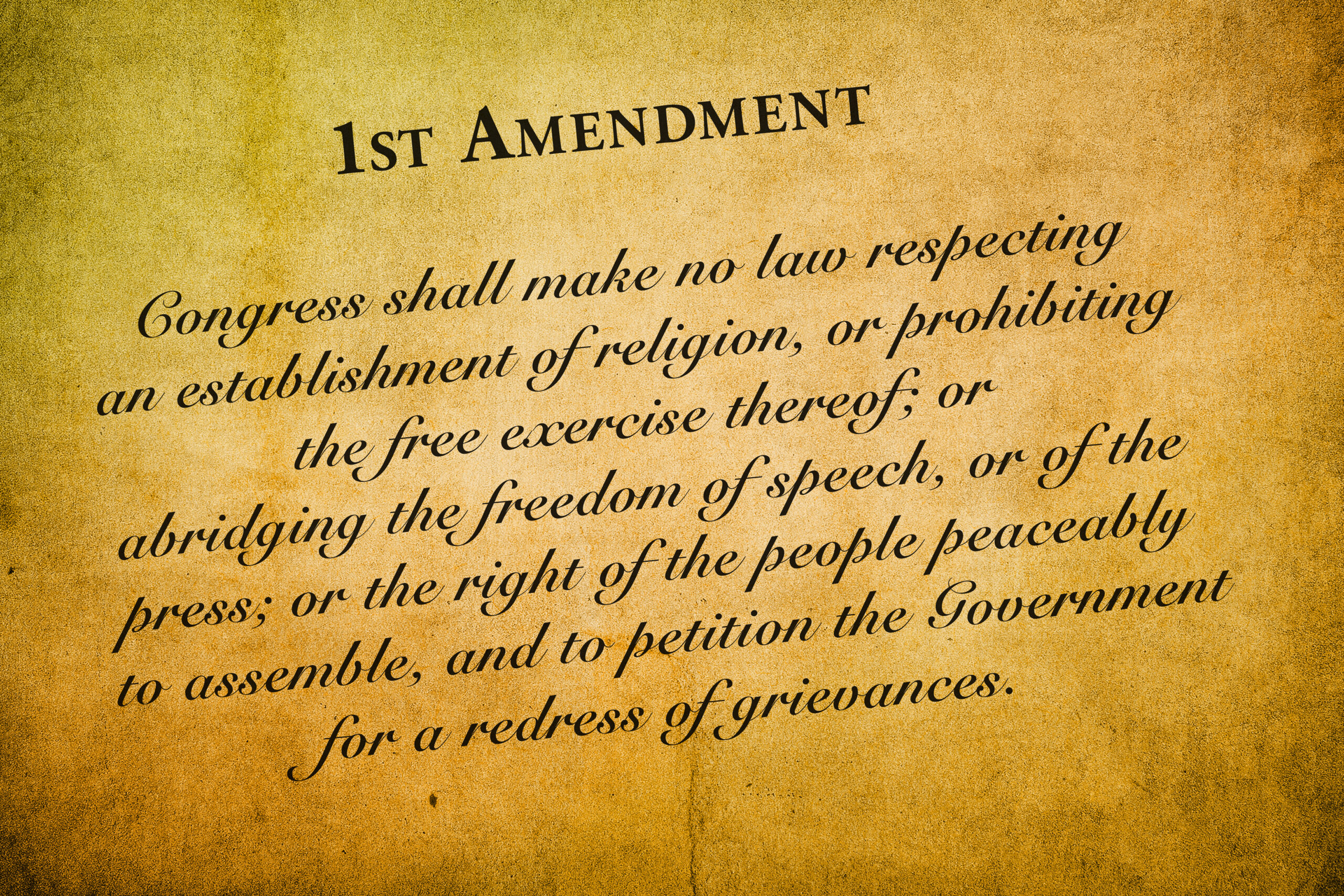
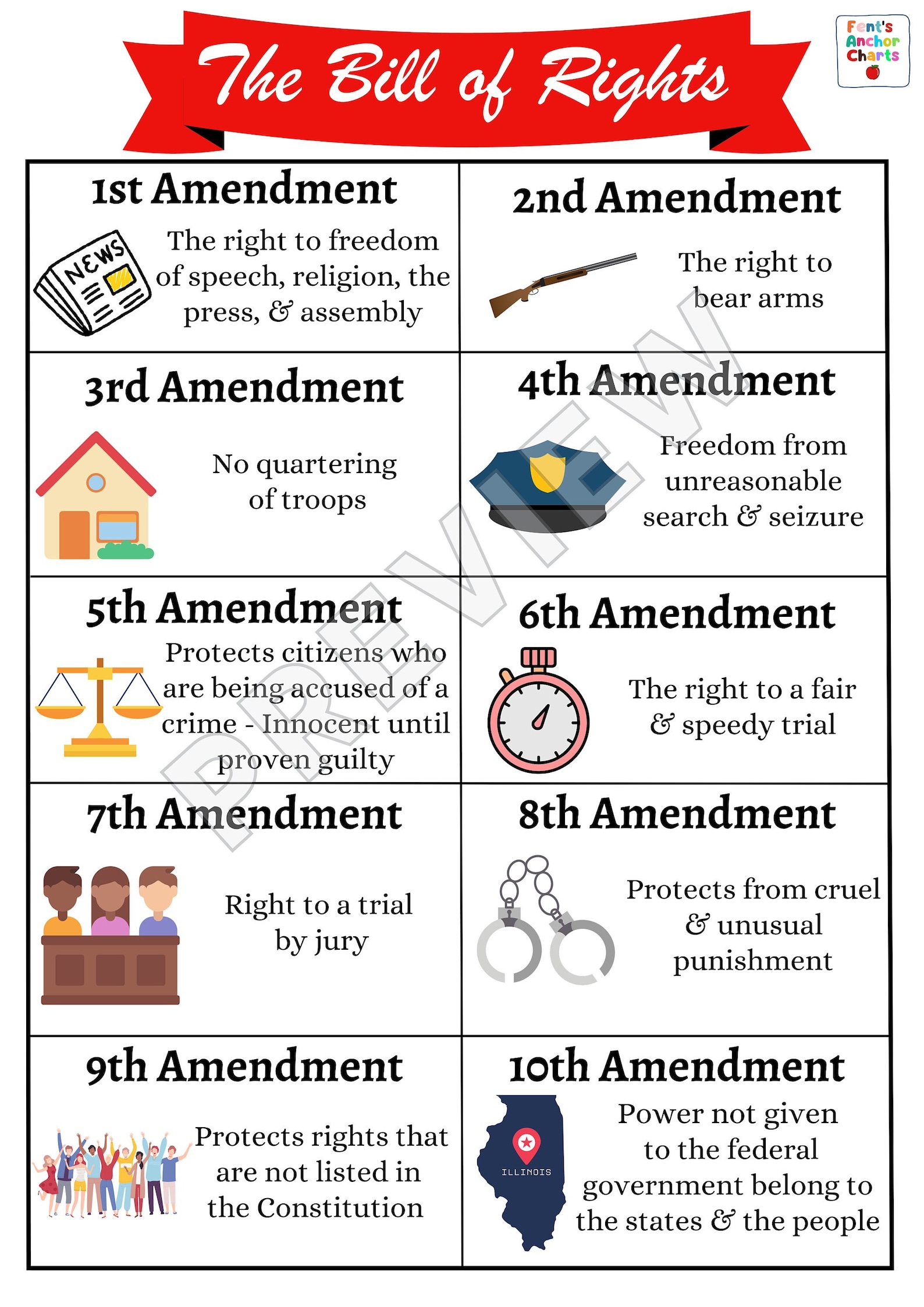
How to Print the 1st Amendment Drawing?
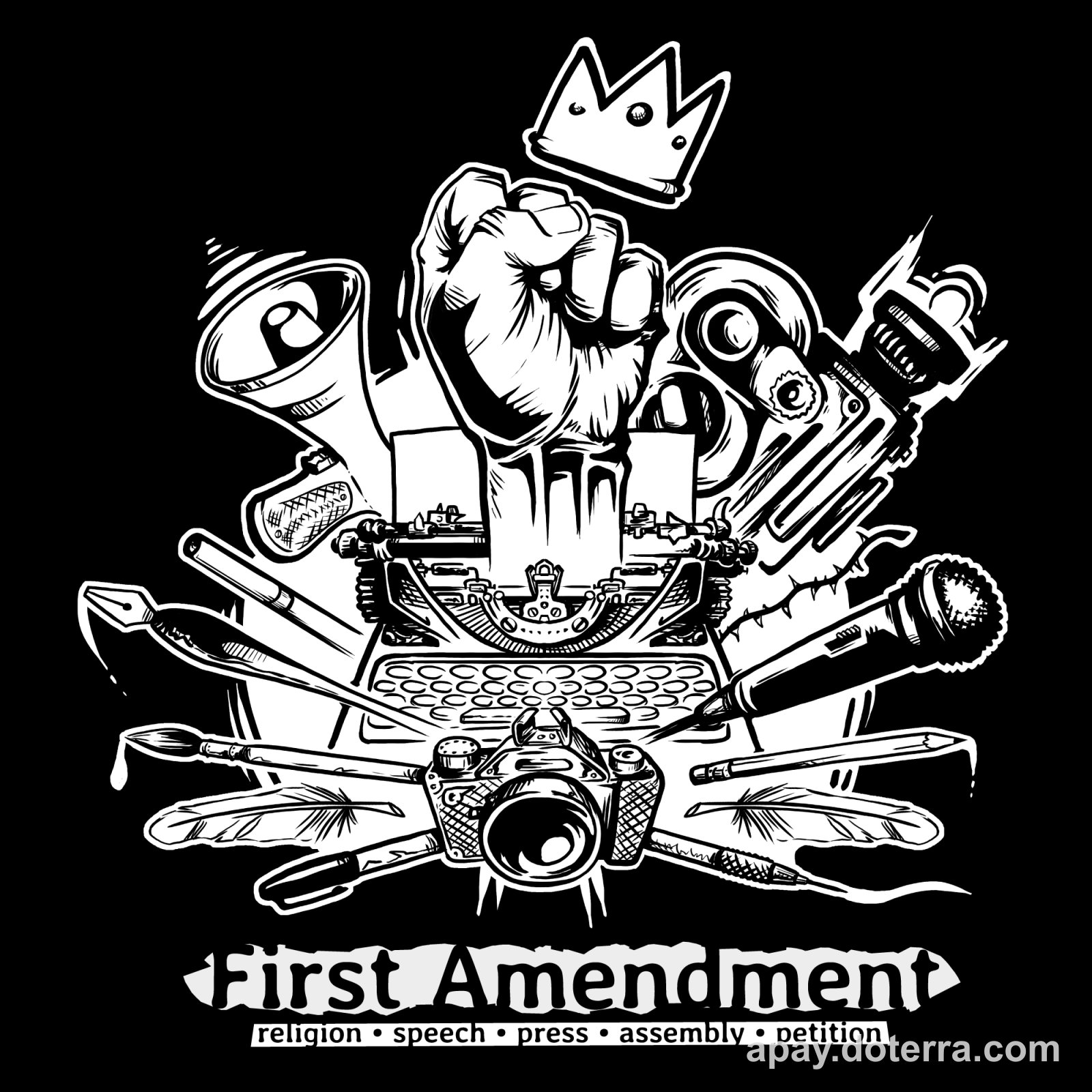
Get your hands on a 1st Amendment drawing template. Print it out and use it as a simple guide for a fun activity.
A 1st amendment drawing is a versatile tool, offering a creative way to engage with a fundamental aspect of American democracy. This guide will navigate you through the various uses and benefits of these printables, whether it's a coloring page, worksheet, or template.
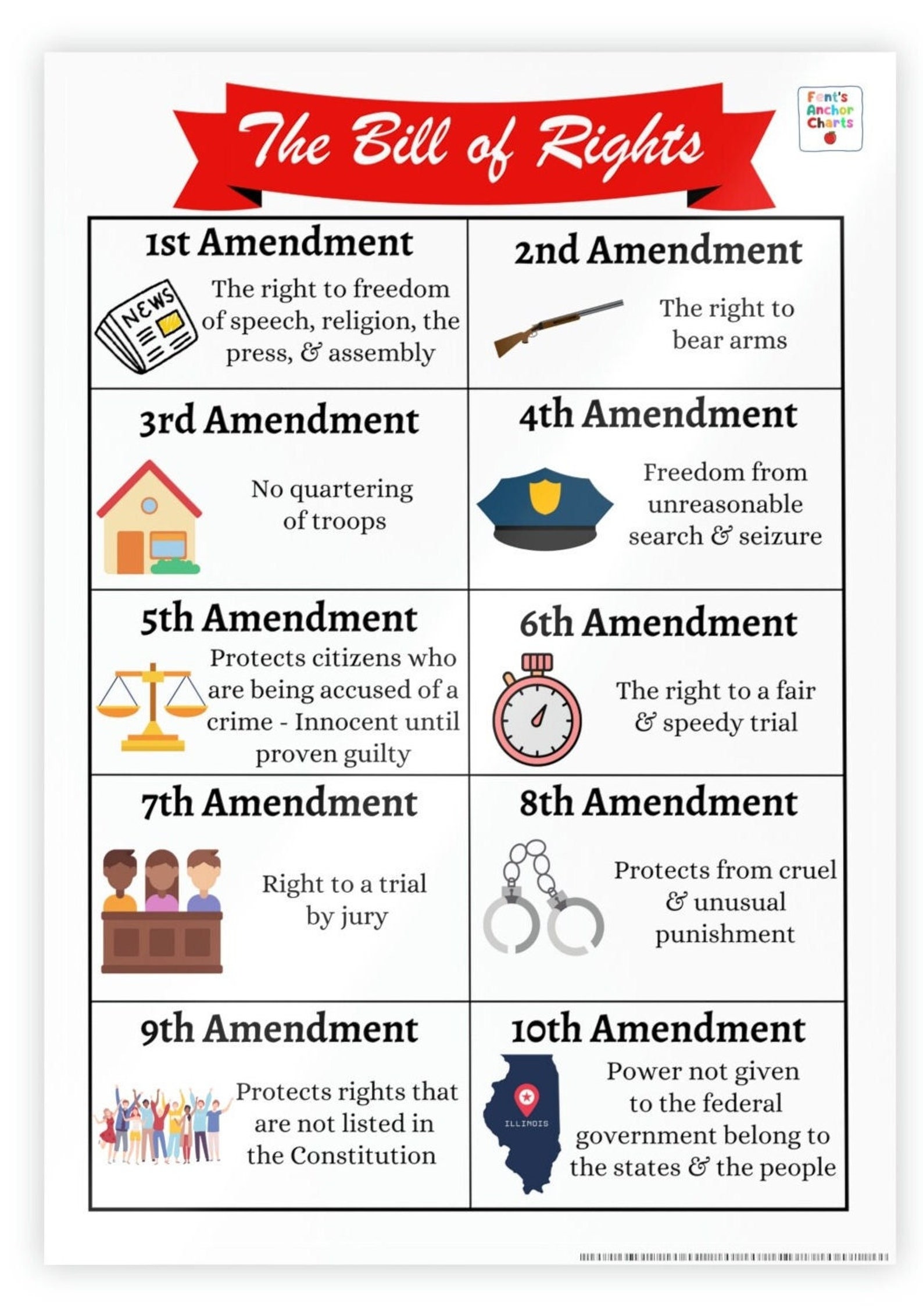
These resources provide an accessible entry point to learning about the US Constitution and its first amendment. They can be tailored to different ages and purposes, from social studies lessons to patriotic crafts, offering a fun and interactive way to explore American history and its core principles.
A Quick Look at 1st Amendment Drawing Printables
1st Amendment Drawing printables are a fantastic way to engage children in learning about a fundamental aspect of American democracy while also encouraging their creativity and artistic expression. These printables typically come in the form of coloring pages, offering a fun and interactive way to explore the first amendment and its significance.
Comparing Printable Types and Formats
When it comes to 1st Amendment Drawing printables, the most common formats are coloring pages and worksheets. Coloring pages are ideal for younger children, as they provide a simple and enjoyable activity. Worksheets, on the other hand, are more suited to older students and can include activities like word searches, crosswords, or short answer questions, allowing for a deeper exploration of the topic.
Step-by-Step: Using 1st Amendment Drawing Printables
- Choose the right printable for your needs. Consider the age and skill level of your child or students, and select a printable that aligns with their abilities.
- Print the selected page on high-quality paper. US Letter or A4 size paper works well, and using a printer with good resolution will ensure the best results.
- For coloring pages, provide a variety of coloring tools such as crayons, colored pencils, or even watercolors for a more artistic approach. Encourage children to express their creativity and explore different techniques.
- If using worksheets, guide students through the activities. Explain the instructions and provide any necessary support. Worksheets can be completed individually or as a group, fostering discussion and engagement.
- Display completed printables as a reminder of the learned concepts. Consider framing them or creating a display board to showcase the children's work and their understanding of the first amendment.
Common Misunderstandings and How to Avoid Them
One common misconception is that these printables are solely for entertainment. While they are fun and engaging, it's important to emphasize the educational value they offer. Explain to children that through coloring or completing worksheets, they are learning about an important part of their rights and the US Constitution.
Factors Affecting Accuracy and Real-World Application
The effectiveness of these printables depends on the quality of the content and its alignment with educational standards. Reputable sources often provide accurate and age-appropriate information, ensuring that children learn the correct interpretation of the first amendment. Additionally, providing a range of printables allows for adaptability, catering to different learning styles and ages.
Remember, each 1st amendment drawing resource may have unique aspects, so it's always good to double-check the specifics. Don't worry, we've got you covered with a range of other helpful guides, so feel free to explore and find the perfect fit for your needs.
Consider bookmarking this page as a handy reference for future creative adventures. It's a simple way to ensure you have the right tools at your fingertips whenever inspiration strikes!
Visual Reference Gallery