Draw Clip Art: A Simple Guide
Learn to create drawing clip art with our easy guide. Printable templates and tips to get you started; try it today!
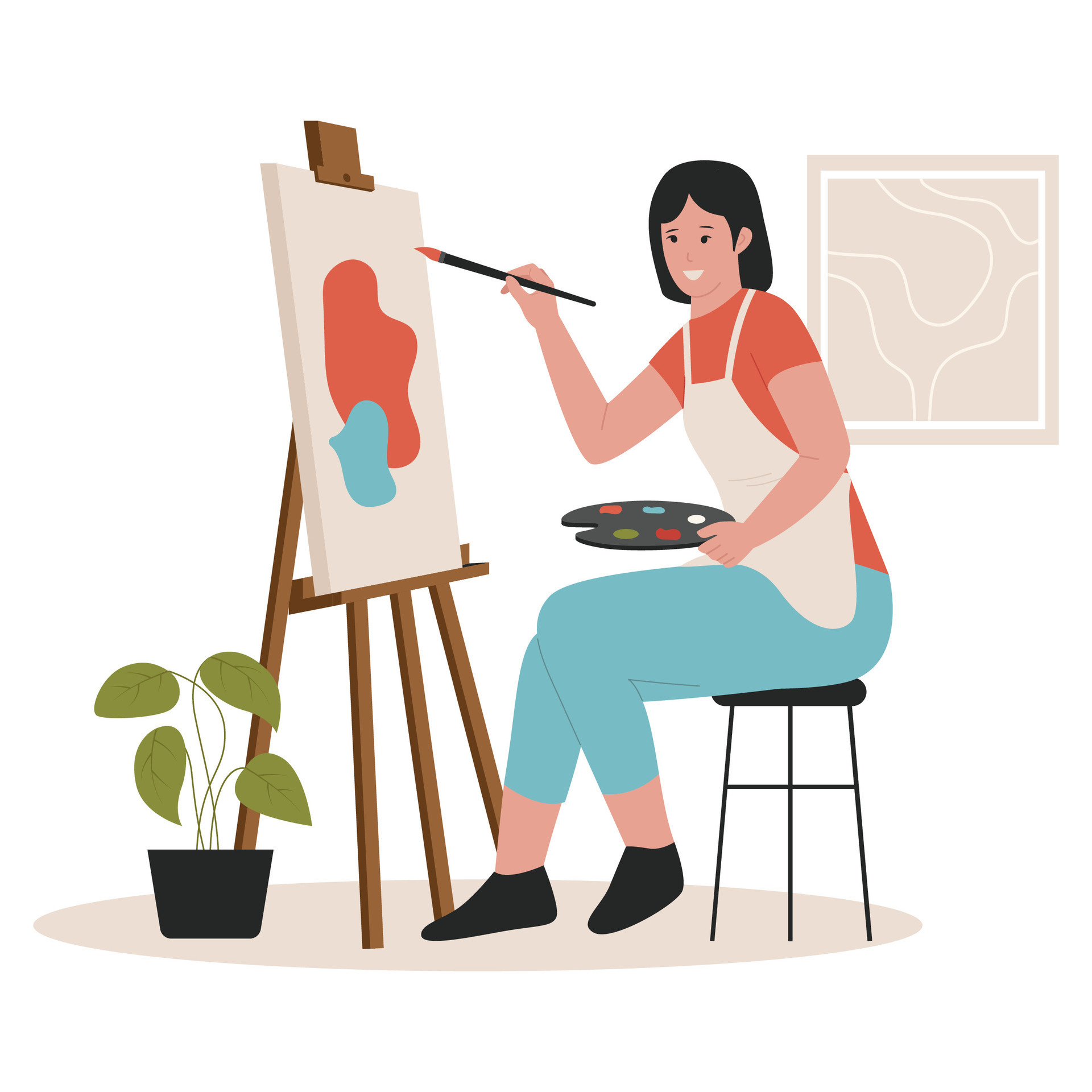
If you're on the hunt for some quick and easy art resources, drawing clip art might just be your new go-to. This versatile tool, available as a printable, offers a simple yet effective way to get creative. Whether you're looking for drawing templates, coloring pages, or printable worksheets, drawing clip art provides a convenient and accessible option. It's an ideal resource for those seeking a ready-to-use art solution, be it for personal projects or educational purposes.
Drawing Clip Art: A Printable Coloring Adventure
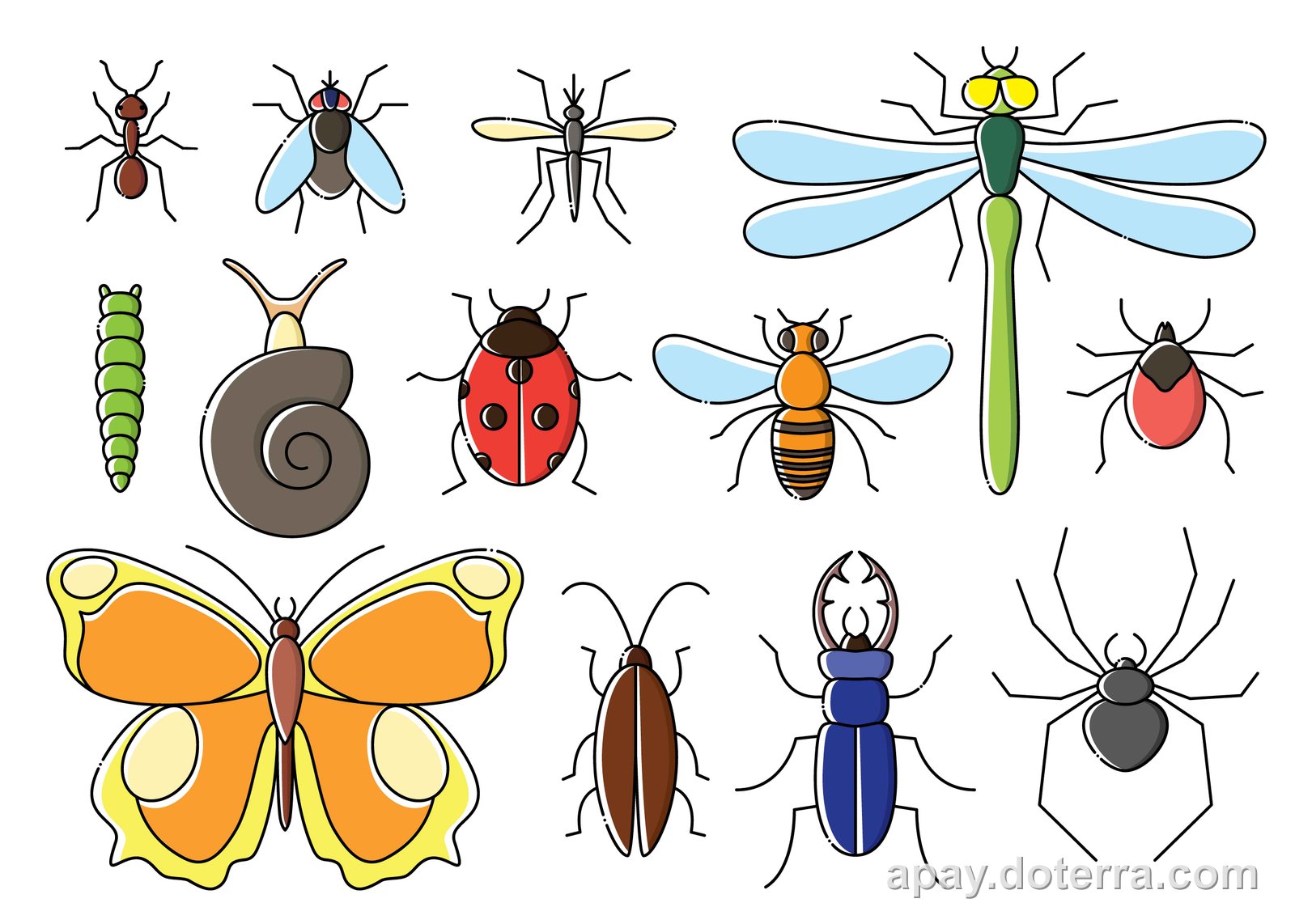
Drawing clip art coloring pages offer a fun and creative way to engage with art, suitable for a wide range of ages and skill levels. These printables feature simple outlines of various subjects, from animals and nature scenes to abstract designs, providing an accessible canvas for coloring enthusiasts.
Comparing Coloring Page Styles and Formats
When it comes to drawing templates, there are a few common styles. Simple line drawings are great for younger children or those new to coloring, while more detailed illustrations can challenge and engage older kids and experienced colorists. The format is usually a single page, but some sets offer multiple pages with a consistent theme.
Step-by-Step Guide to Coloring Clip Art
Here's a simple process to enjoy your coloring page:
- Choose your design: Select a drawing clip art template that appeals to you, considering the complexity and your coloring skills.
- Prepare your tools: Gather your favorite coloring materials, such as crayons, colored pencils, or markers.
- Print and set up: Ensure your printer is set to the correct paper size (US Letter or A4) and print your chosen design. Use good-quality paper for the best results.
- Color and create: Let your creativity flow! Experiment with different colors and techniques to bring your drawing to life.
- Display or gift: Once finished, you can frame your artwork, display it proudly, or even gift it to a friend.
Common Missteps and How to Avoid Them
A common mistake is using low-quality paper, which can affect the vibrancy of your colors. Always opt for thicker paper to prevent bleeding and ensure a smooth coloring experience. Another pitfall is choosing the wrong coloring tools; some may smudge or bleed, so test them on a separate sheet first.
Factors Affecting Coloring Success
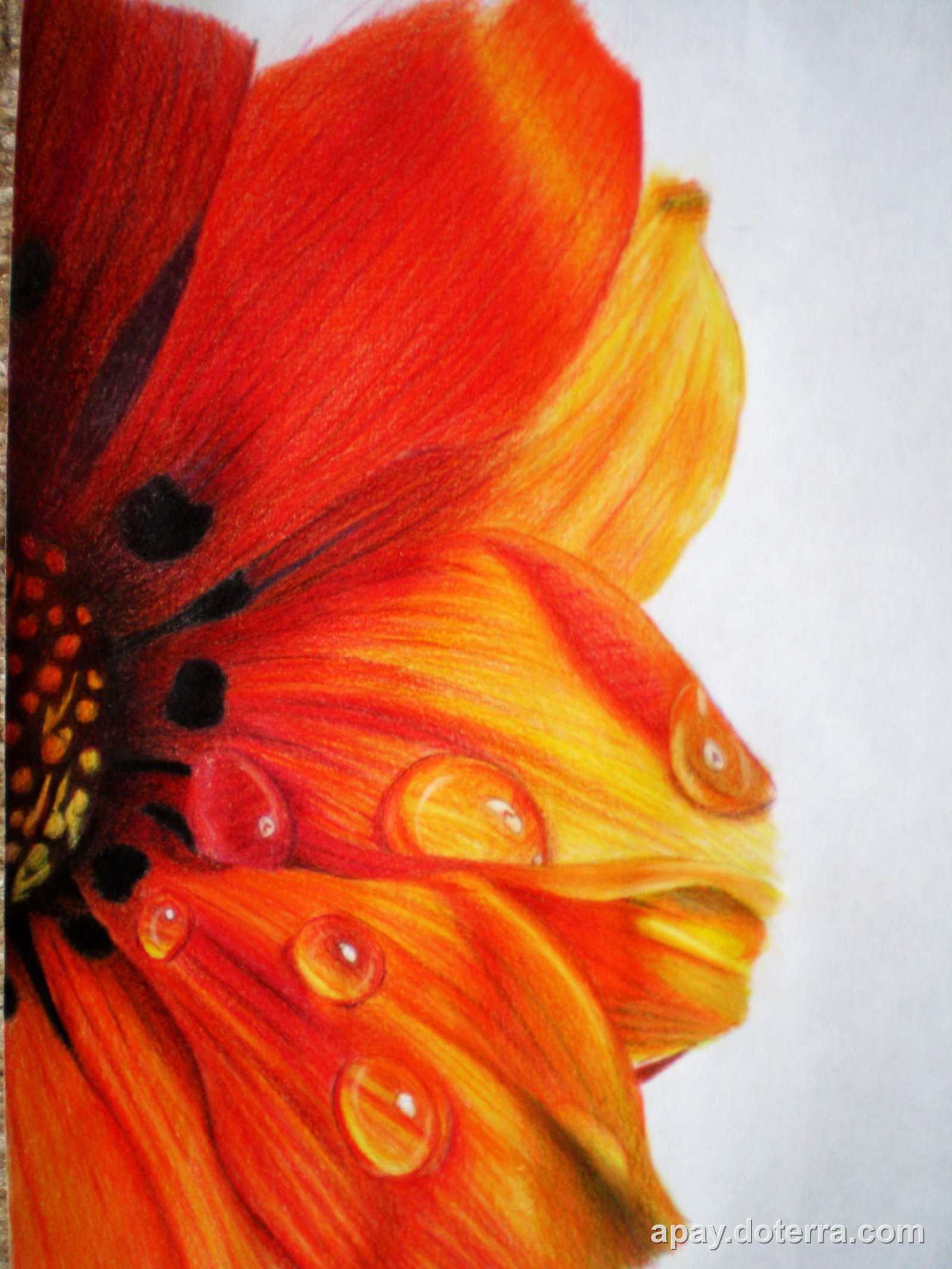
The choice of coloring tools and paper quality significantly impacts the final result. Thicker paper, like cardstock, can handle various mediums without warping. Additionally, the right tools for your skill level and the design's complexity are crucial. For instance, colored pencils offer more precision for detailed work.
Adapting Drawing Clip Art for Different Needs
Drawing clip art is versatile and can be adapted for various skills and ages. For beginners or younger children, start with simpler designs and basic coloring tools. As skills progress, introduce more intricate templates and a wider range of coloring materials. You can also customize the printable by adding your own elements or combining multiple templates for a unique creation.
Remember, every drawing and printing project is unique, so it's always a good idea to review your specific needs and make any necessary adjustments. Take a moment to ensure you've considered all the factors we've discussed, and you'll be well on your way to creating beautiful clip art and achieving the results you desire.
Feel free to explore our other guides and resources for further inspiration and ideas. We have a range of content covering various creative topics, so you can continue your artistic journey and discover new techniques and tips. Happy creating!
Visual Reference Gallery