Drawing for Mathematics: A Simple Guide
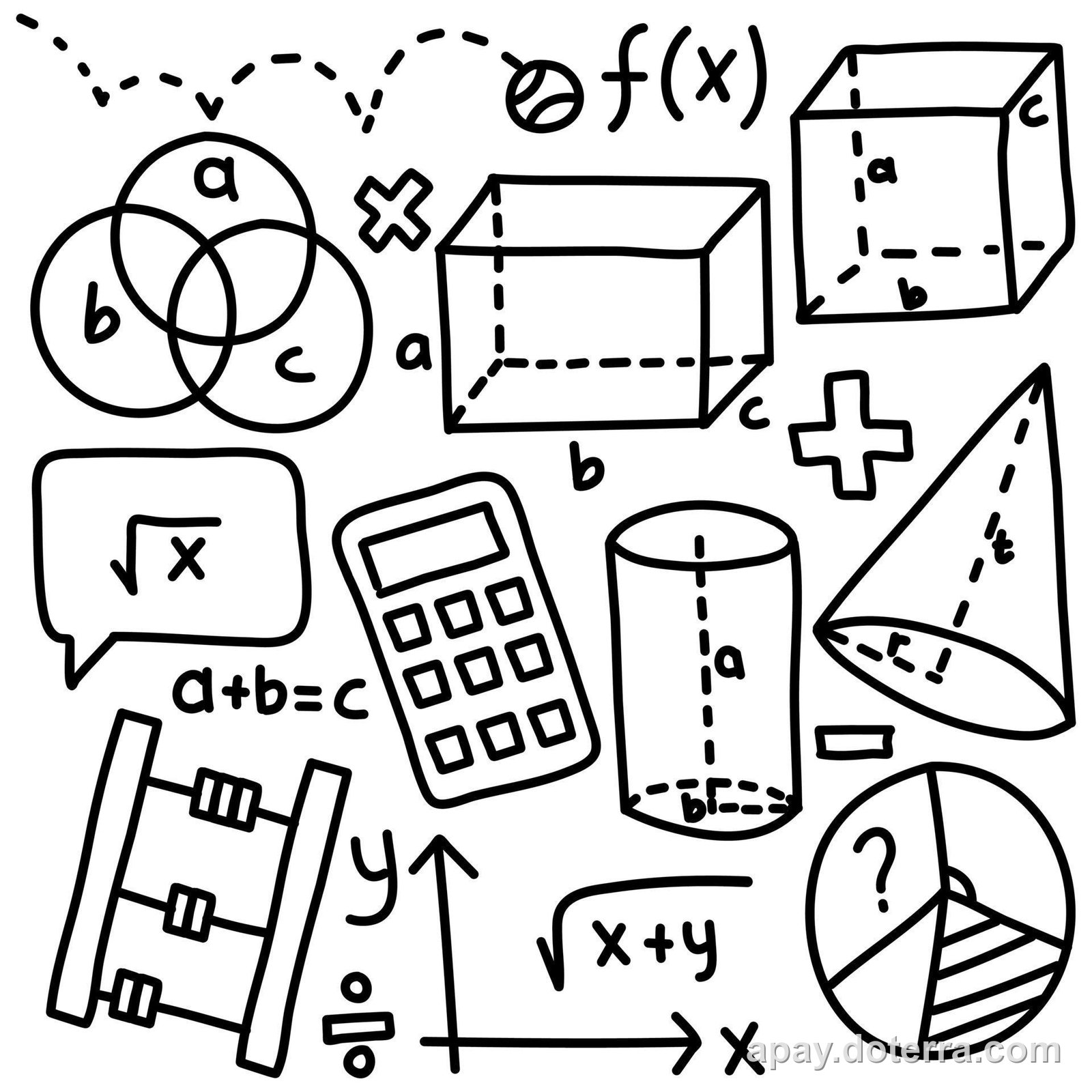
Explore "drawing for mathematics" with our easy-to-use printables. Get started with our simple tips and unlock a fun way to learn math.
Drawing for mathematics is a fun and engaging way to explore and understand mathematical concepts. This guide will show you how to make the most of these unique resources, offering a hands-on approach to learning.
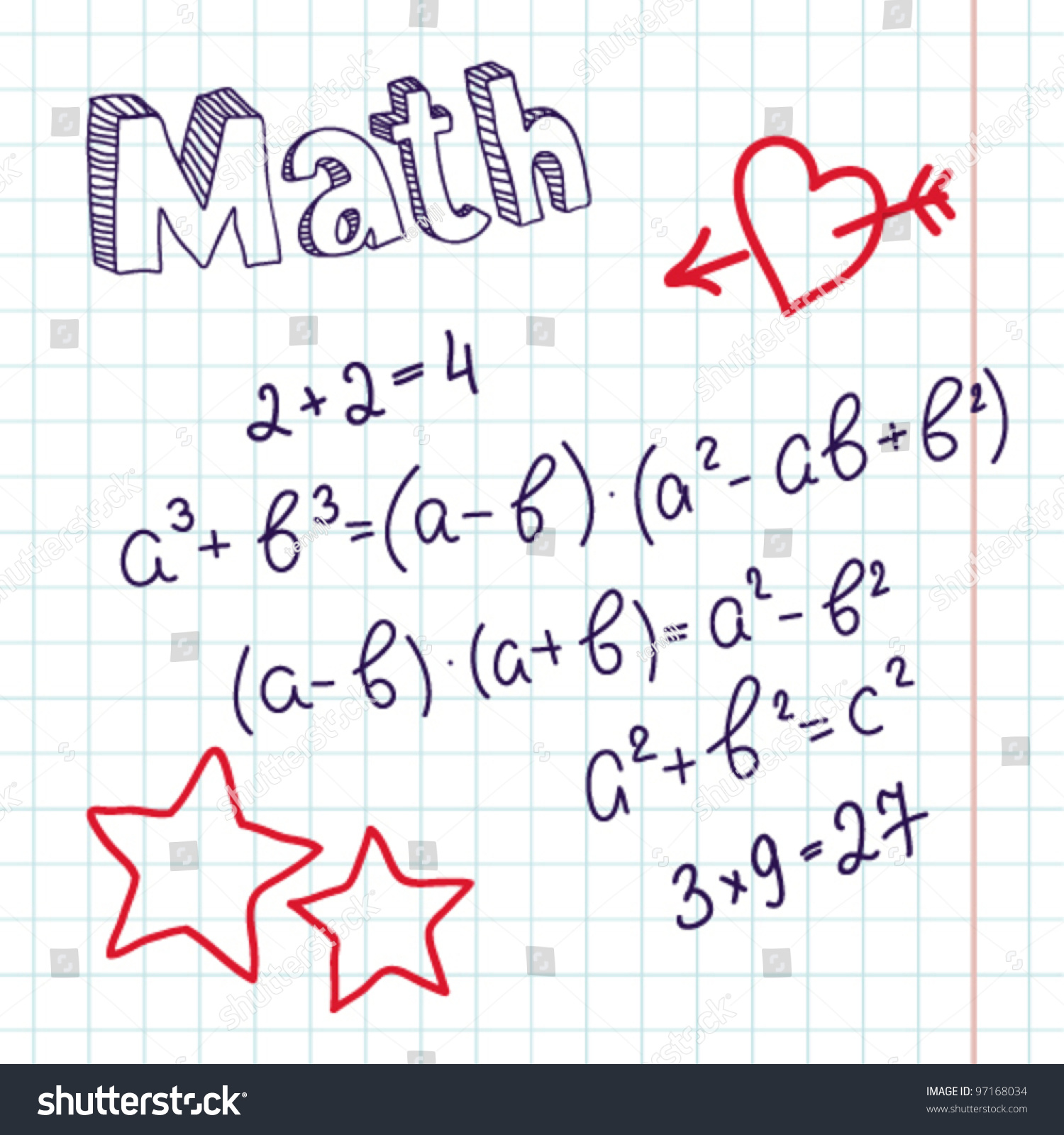
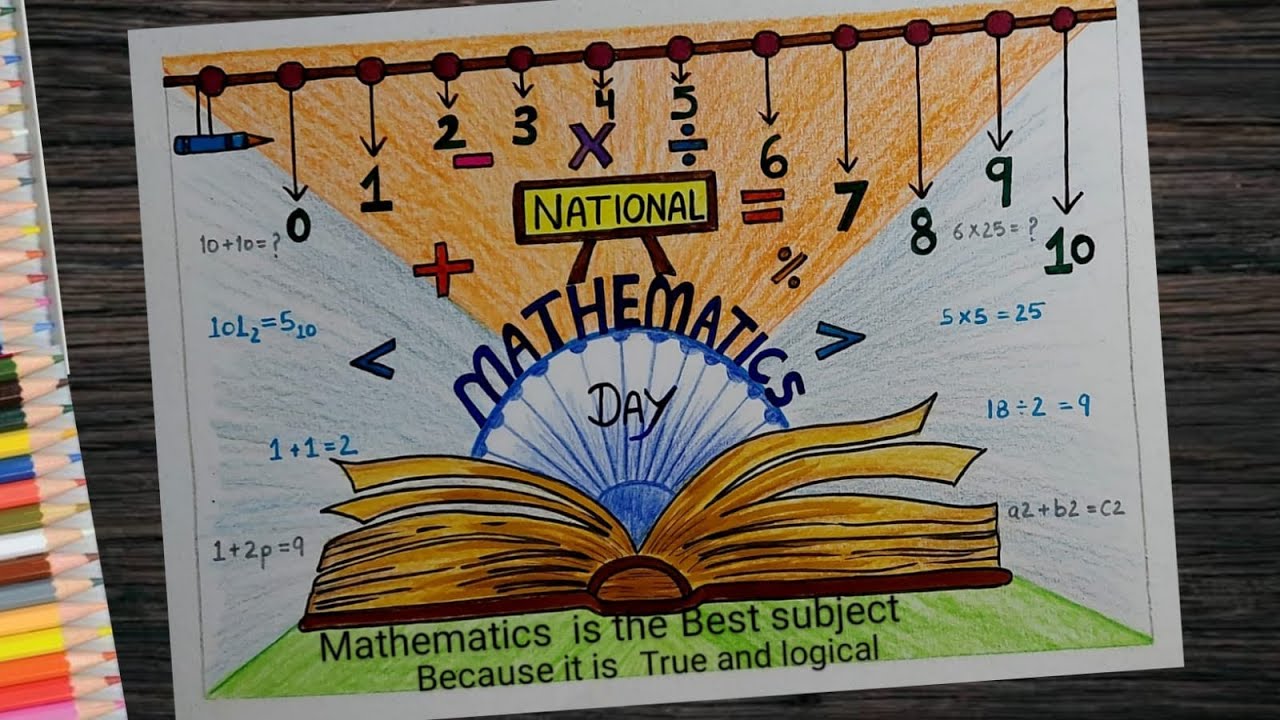
Whether you're looking for math drawing activities, geometry art, or just some creative math fun, these printables are a great starting point. With options like coloring pages and worksheets, there's something for all ages and abilities to enjoy.
A Practical Guide to Drawing for Mathematics Printables
Drawing for mathematics printables are a fun and engaging way to bring geometry and mathematical concepts to life. These resources offer a unique approach to learning, combining creativity and problem-solving. They are suitable for a wide range of ages and skill levels, making them a versatile tool for educators and parents.
Comparing Printable Types and Their Uses
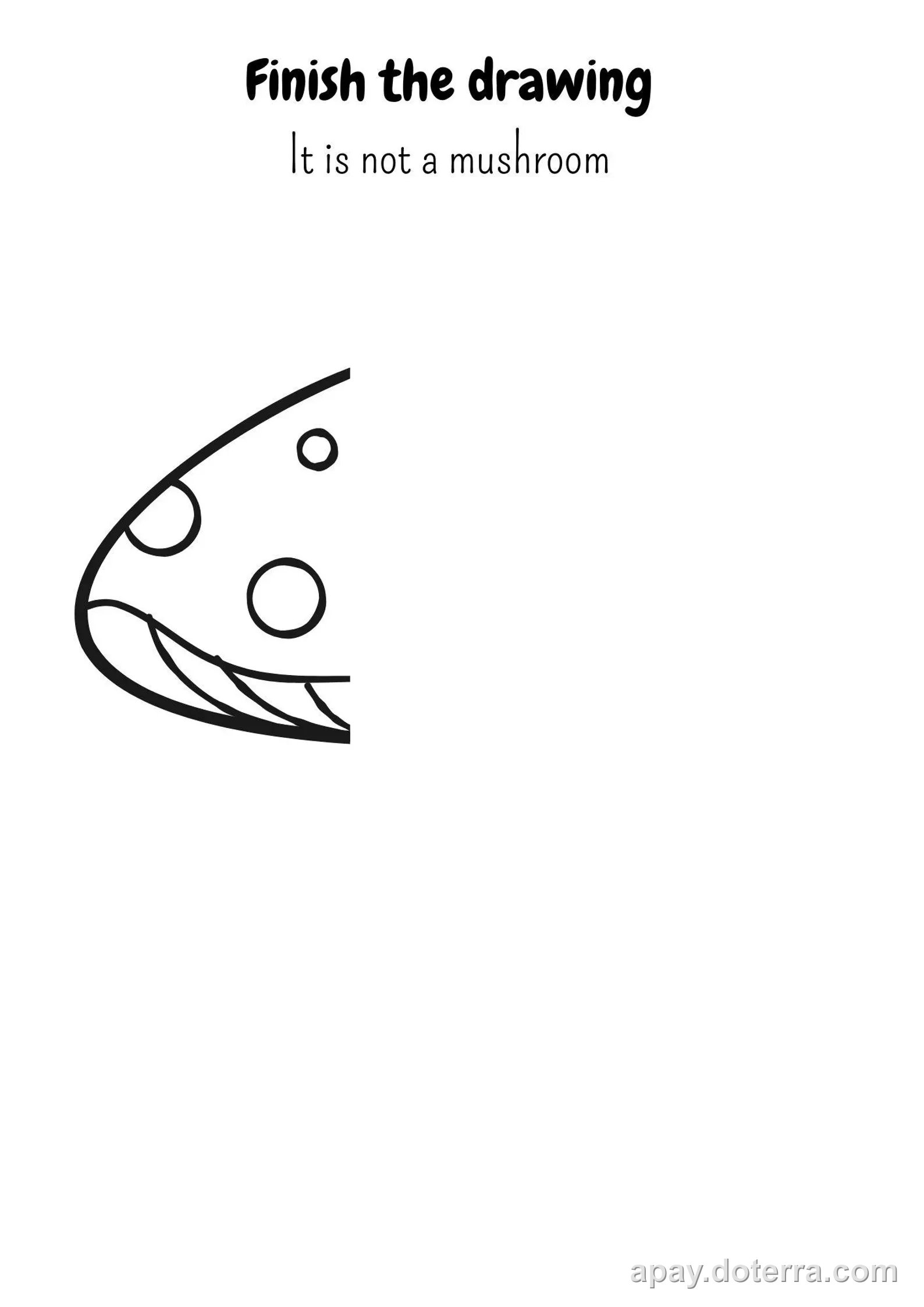
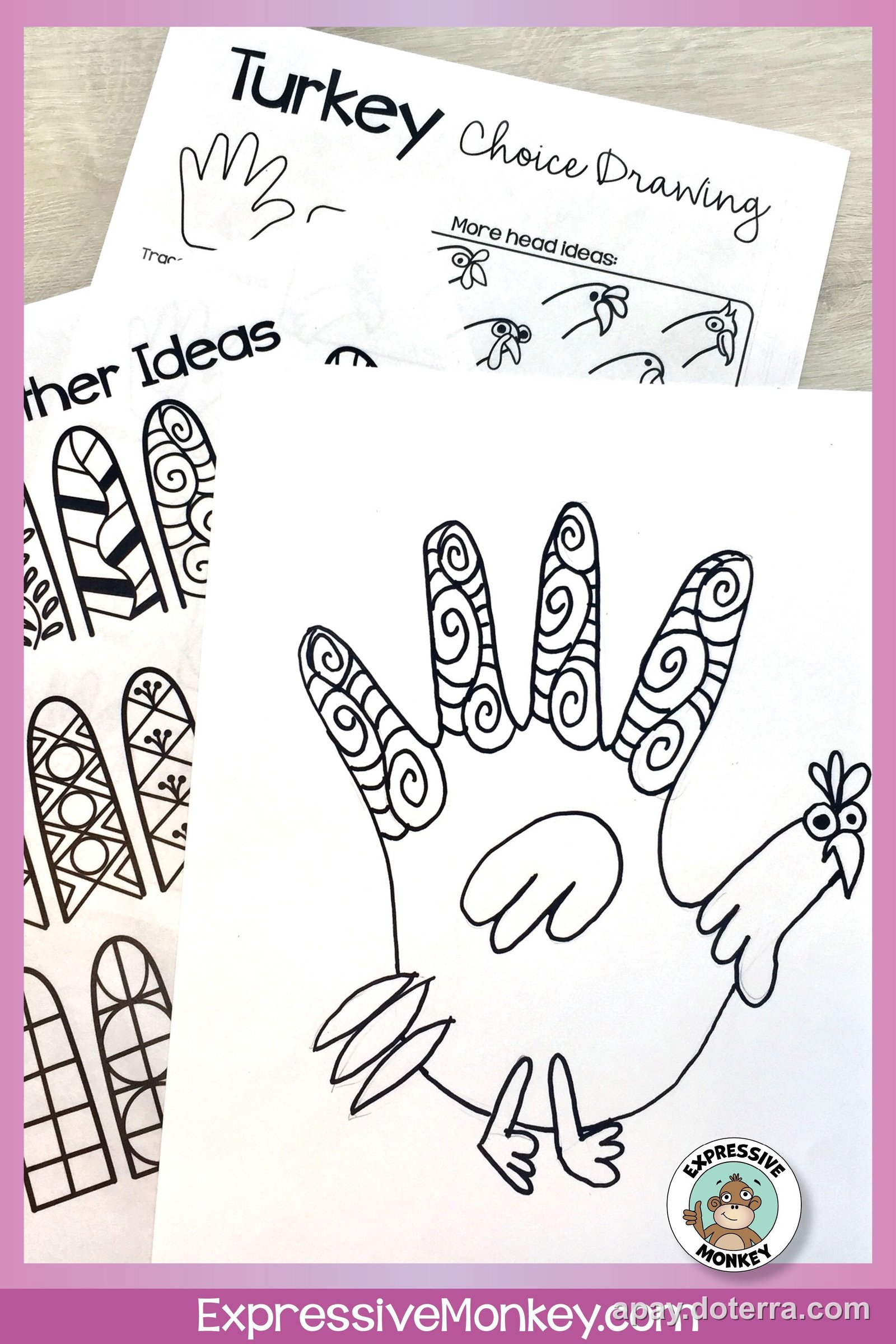
When it comes to drawing for mathematics, you'll find a variety of printable options, each serving a specific purpose. Coloring pages, templates, and worksheets are the most common types. Coloring pages often feature geometric designs or mathematical concepts, allowing students to explore symmetry, patterns, and shapes through coloring. Templates, on the other hand, provide a structured framework for creating math-inspired art, offering sections for different elements like shapes, equations, or data visualization. Worksheets, designed for practice and learning, focus on specific mathematical skills and concepts.
A Step-by-Step Guide to Using Drawing for Mathematics Printables
Using drawing for mathematics printables is a straightforward process:
Select the appropriate printable type based on your goal. Coloring pages are great for relaxation and exploring concepts, templates for structured creativity, and worksheets for focused learning.
Choose a printable that aligns with the age and skill level of your students or children. Some printables are designed for younger kids, while others cater to teens or even adults.
Gather the necessary materials. For coloring pages, you'll need coloring tools like pencils, crayons, or markers. Templates and worksheets may require additional supplies like rulers, compasses, or colored pens.
Print the selected printable on suitable paper. For coloring pages and templates, thicker paper like cardstock can enhance durability and provide a better coloring experience. Worksheets often work well on regular printer paper.
Guide or instruct the user on how to approach the printable. Explain the purpose and any specific instructions, ensuring they understand the learning objectives.
Avoiding Common Missteps and Pitfalls
To ensure the best experience with drawing for mathematics printables, be mindful of a few potential issues:
Age and Skill Level: Always consider the age and skill level of the users. Printables designed for younger children may not be engaging or challenging enough for teens, and vice versa.
Printing Quality: Ensure your printer settings are correct to avoid distortion or scaling issues. Using the "fit to page" option can sometimes alter the printable's intended size and proportions.
Supply Choice: Choose appropriate coloring or writing tools. For example, fine-tipped markers may not be ideal for younger children, who might prefer thicker crayons or pencils.
Key Factors for Success with Drawing for Mathematics Printables
Several factors can influence the effectiveness of drawing for mathematics printables:
Variety: Offering a range of printables with different themes and difficulty levels keeps users engaged and allows for progressive learning.
Customization: Some printables allow for easy customization, enabling educators and parents to adapt them to specific learning goals or individual needs.
Real-World Application: Connecting the printables to real-world scenarios or practical examples can enhance understanding and make learning more meaningful.
Paper Size and Quality: Using the right paper size (such as US Letter or A4) and considering the paper's thickness and quality can impact the overall experience and durability.
By considering these factors and following the step-by-step guide, you can effectively incorporate drawing for mathematics printables into your learning environment, offering a unique and engaging way to explore mathematical concepts.
Hey there, fellow math enthusiasts and artists! We've covered a lot of ground, from the basics to some fun and practical tips. Remember, when it comes to drawing for mathematics, the specifics might vary a bit depending on your unique needs and tools. So, take what works for you and adapt it to your style.
Feel free to explore our other guides for more creative adventures in math. And don't forget to bookmark this page for a quick refresher whenever you need it. Happy drawing and happy learning!
Visual Reference Gallery