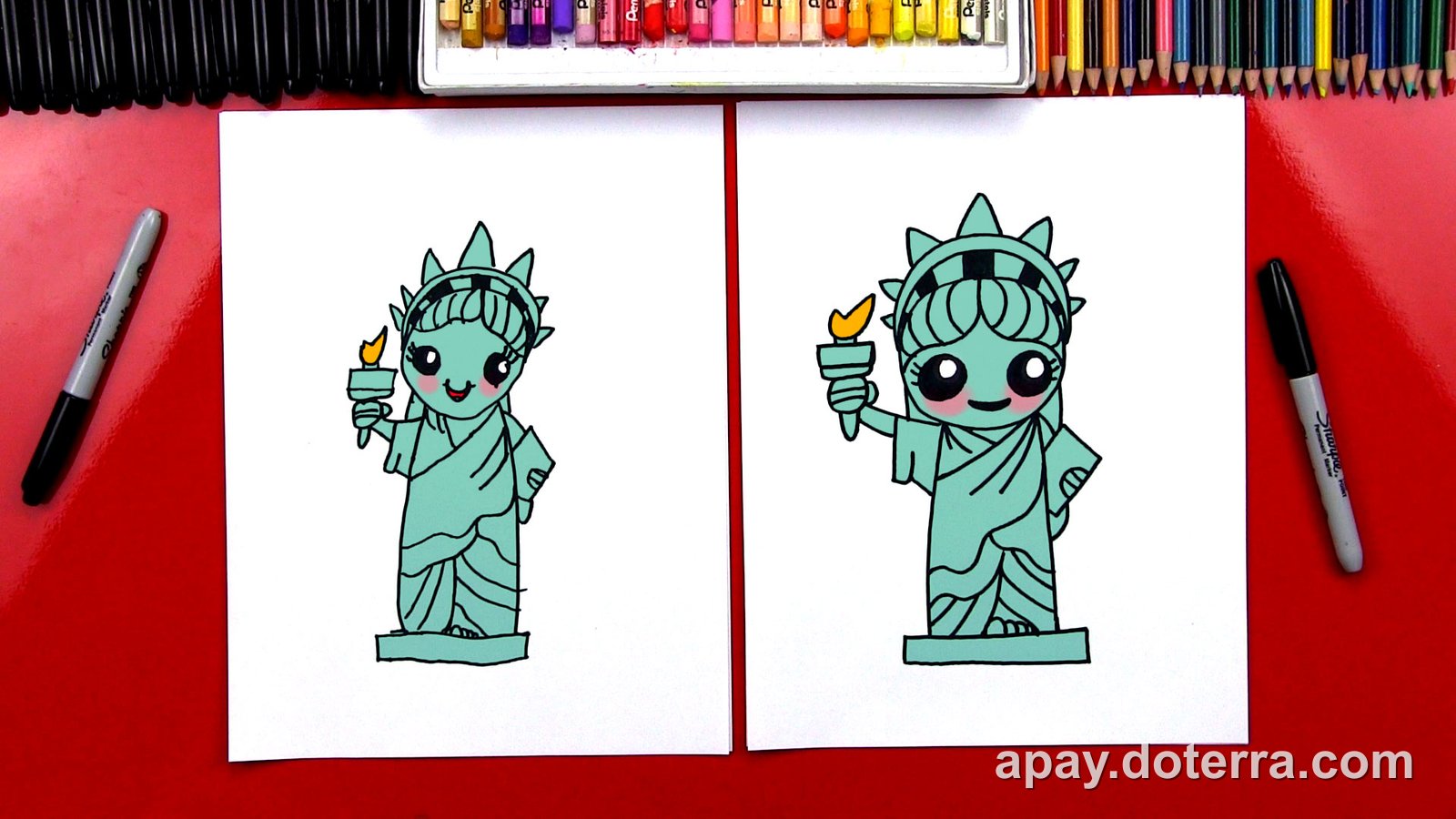
Drawing for Teaching: A Simple Guide
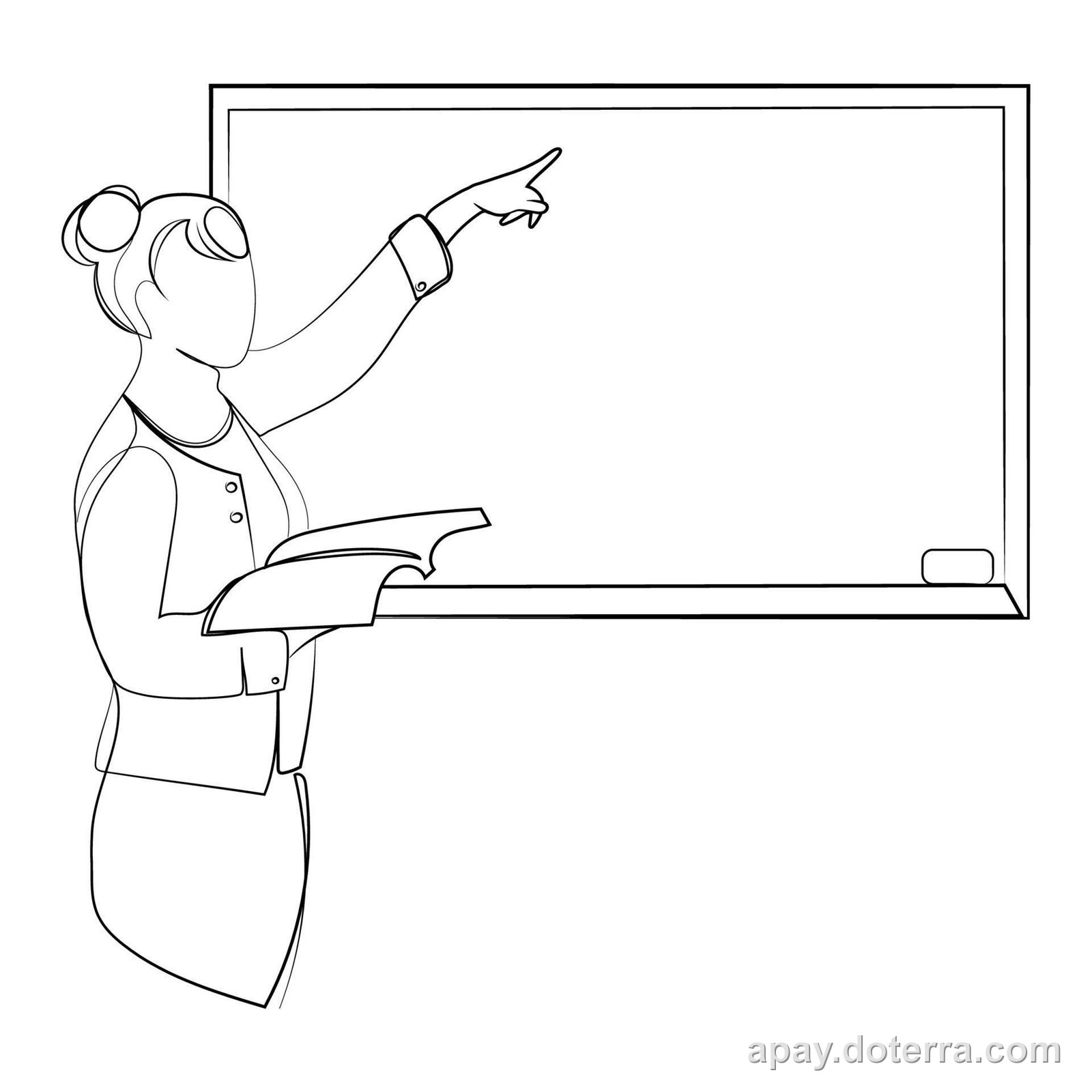
Drawing for teaching" resources: printable templates and tips for engaging, fun learning. Get started with our easy-to-use guides.
Drawing for teaching is a versatile tool, and this guide will show you how to make the most of it. Whether you're a teacher, a parent, or an educator, drawing for teaching resources offer a simple yet powerful way to engage and educate. From printable coloring pages to A4 templates, these tools can be adapted for various ages and learning styles.
A Practical Guide to Drawing for Teaching Printables
Printables are a fantastic way to engage kids in learning, and drawing for teaching is a great example of an educational resource. These printables often come in the form of coloring pages, templates, or worksheets, offering a fun and interactive approach to art education.
Comparing Your Options: Coloring Pages, Templates, and Worksheets
When it comes to drawing for teaching, you'll find a variety of printables to choose from, each with its own benefits. Coloring pages are excellent for younger children or those who enjoy a more relaxed approach to art. Templates, on the other hand, provide a structured framework, perfect for older kids or those who need guidance. Worksheets offer a more comprehensive learning experience, often covering specific skills and topics.
Step-by-Step: Using Drawing for Teaching Printables Effectively
To make the most of these printables, follow these simple steps:
Choose the right printable for your needs. Consider the age and skill level of the child, as well as the learning objectives.
Select the appropriate coloring tools. For coloring pages, crayons, colored pencils, or even watercolors can be used. Templates and worksheets may require different tools, such as markers or pens, depending on the activity.
Print the page on the right paper. US Letter and A4 sizes are common, so ensure your printer settings are correct to avoid distortions. For best results, use thicker paper to prevent bleeding, especially with water-based media.
Engage the child in the activity. Explain the task, offer guidance, and encourage creativity. For worksheets, ensure the child understands the instructions and completes the tasks accurately.
Common Pitfalls and How to Avoid Them
One common mistake is choosing printables that are too advanced or simplistic for the child's age and skill level. Always consider the child's abilities and interests to ensure an enjoyable and educational experience.
Another pitfall is using the wrong tools or paper. Always read the printable's instructions and recommendations to ensure you have the right materials. Using the wrong tools can lead to frustration and an unsatisfactory outcome.
Lastly, don't forget to adapt the printable to suit your needs. While these resources are designed to be versatile, you may need to make adjustments to cater to the child's learning style or the specific topic you're covering.
With these tips in mind, you'll be able to utilize drawing for teaching printables effectively, offering an engaging and personalized learning experience.
So, there you have it! Drawing for teaching is a fun and versatile tool, and with these insights, you're well on your way to creating engaging learning resources.
Remember, every situation is unique, so be sure to consider your specific needs and adjust accordingly. It's always a good idea to have this page bookmarked for a quick refresh when you need it. Happy drawing and teaching!
Visual Reference Gallery