Easy Drawing Lessons for Preschoolers: A Guide
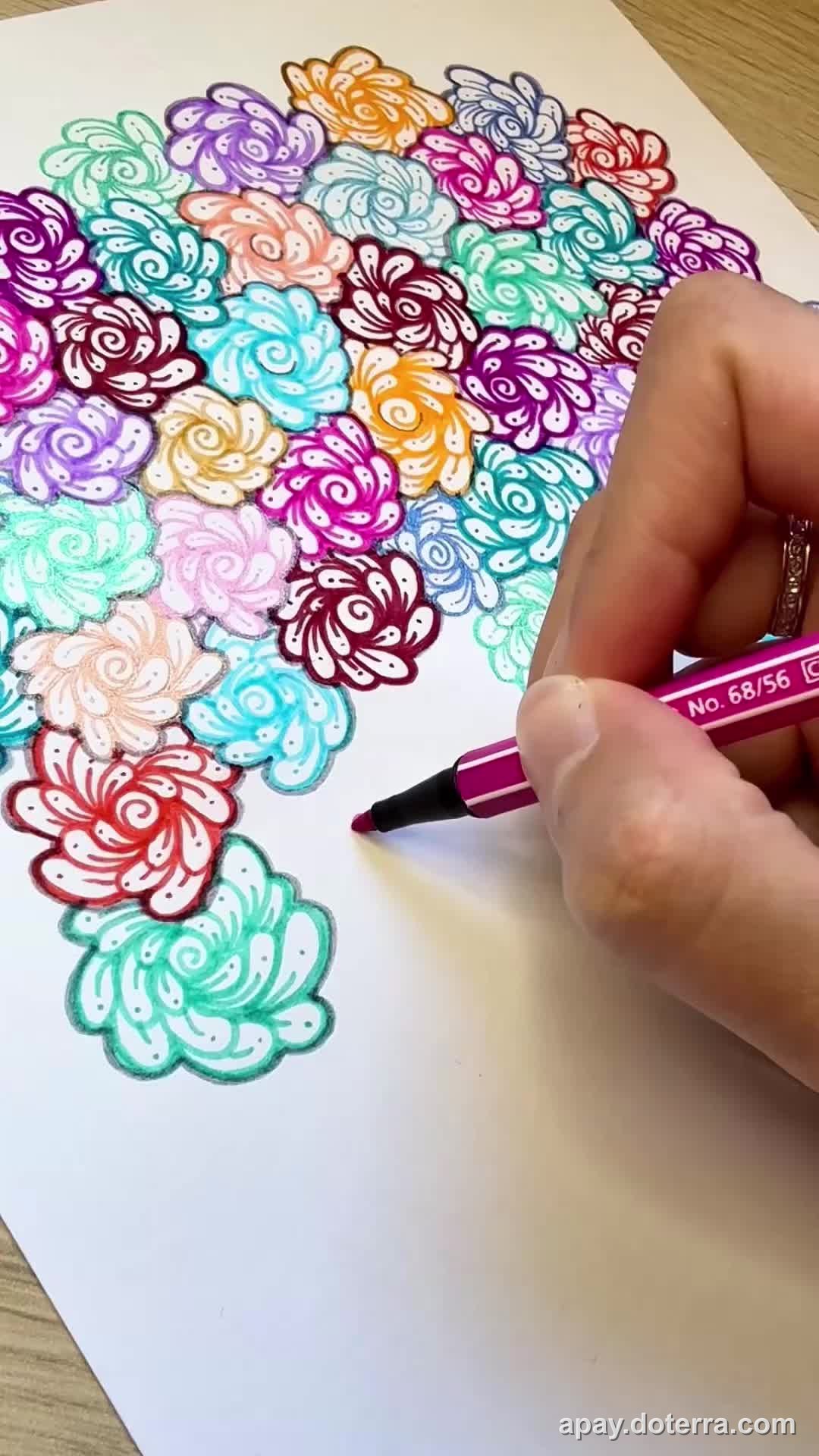
Find "drawing lessons for preschoolers" and get creative! Our printable guide offers simple tips and tricks to engage young artists. Start drawing today!
You're seeking a quick and practical solution for engaging your preschooler's creativity, and drawing lessons for preschoolers can be a fantastic resource. These printable materials, whether coloring pages or drawing templates for kids, offer a simple yet effective way to introduce art and creativity to young minds. With just a click, you can access a range of age-appropriate activities, making it convenient and fun to explore the world of art together.
Drawing Lessons for Preschoolers: An Easy Guide
Drawing lessons for preschoolers can be a fun and engaging way to introduce young children to the world of art. Printables, such as coloring pages, templates, and worksheets, offer a structured yet flexible approach to teaching drawing skills. Let's explore the different options and their benefits.
Comparing Printable Types for Preschool Art Lessons
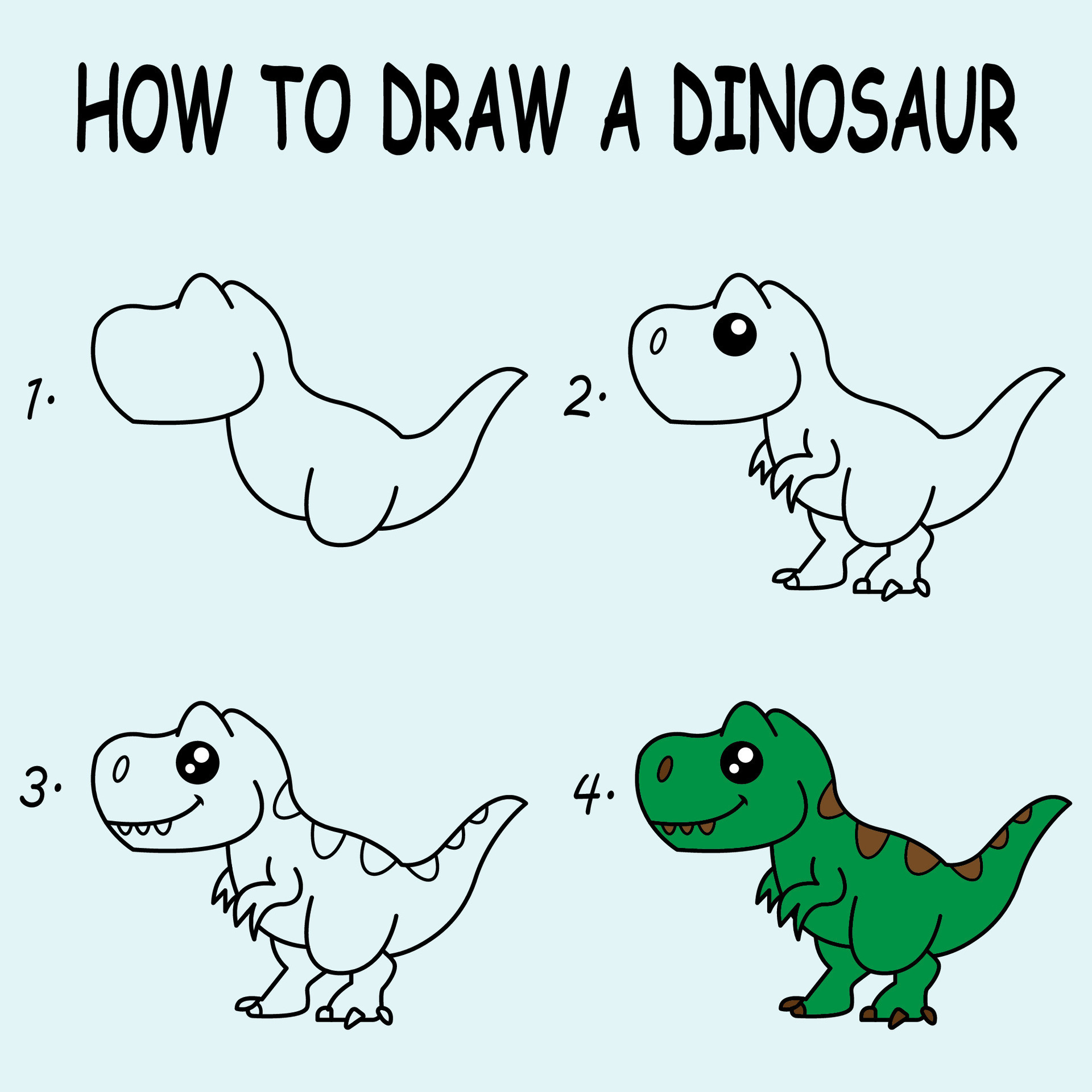
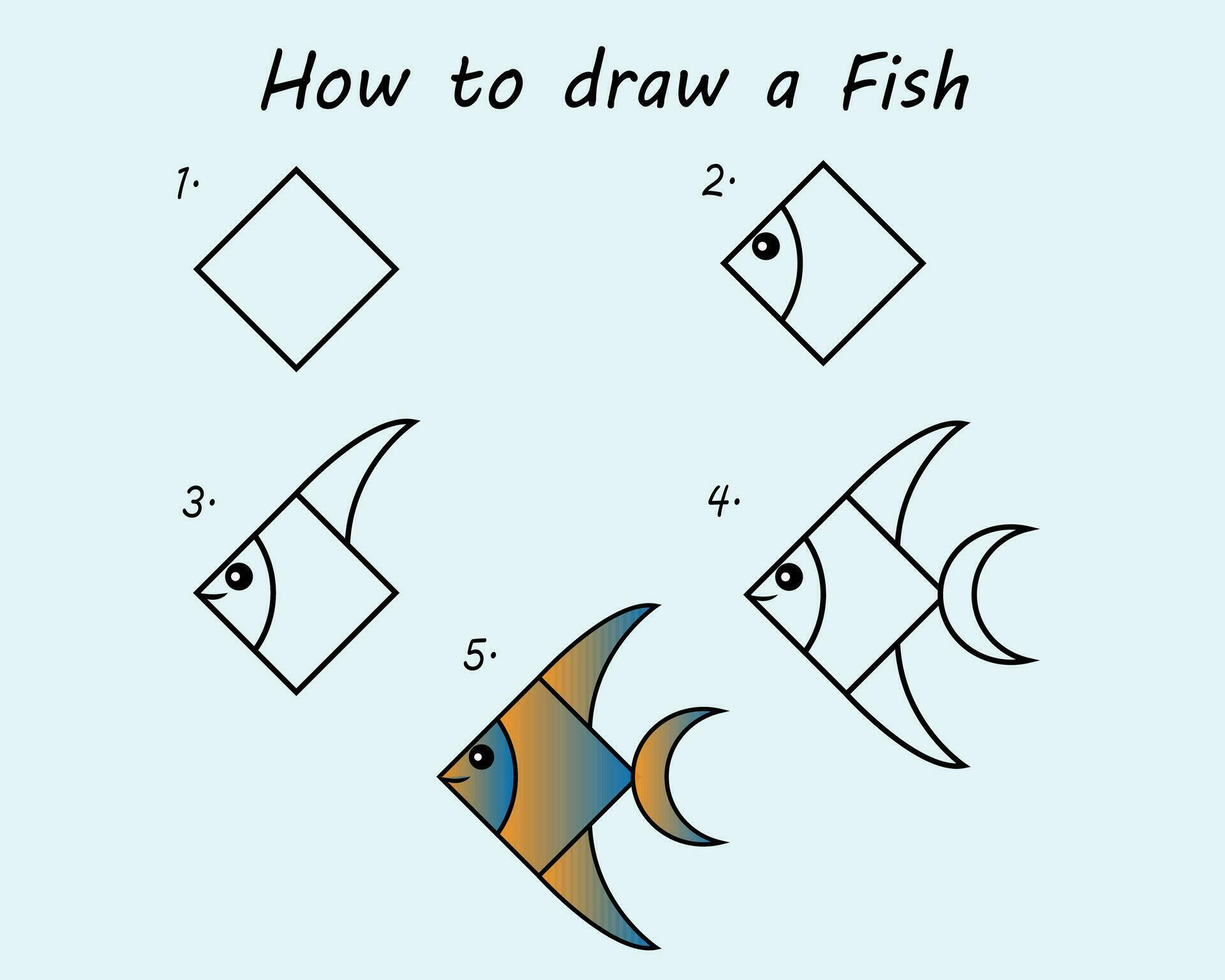
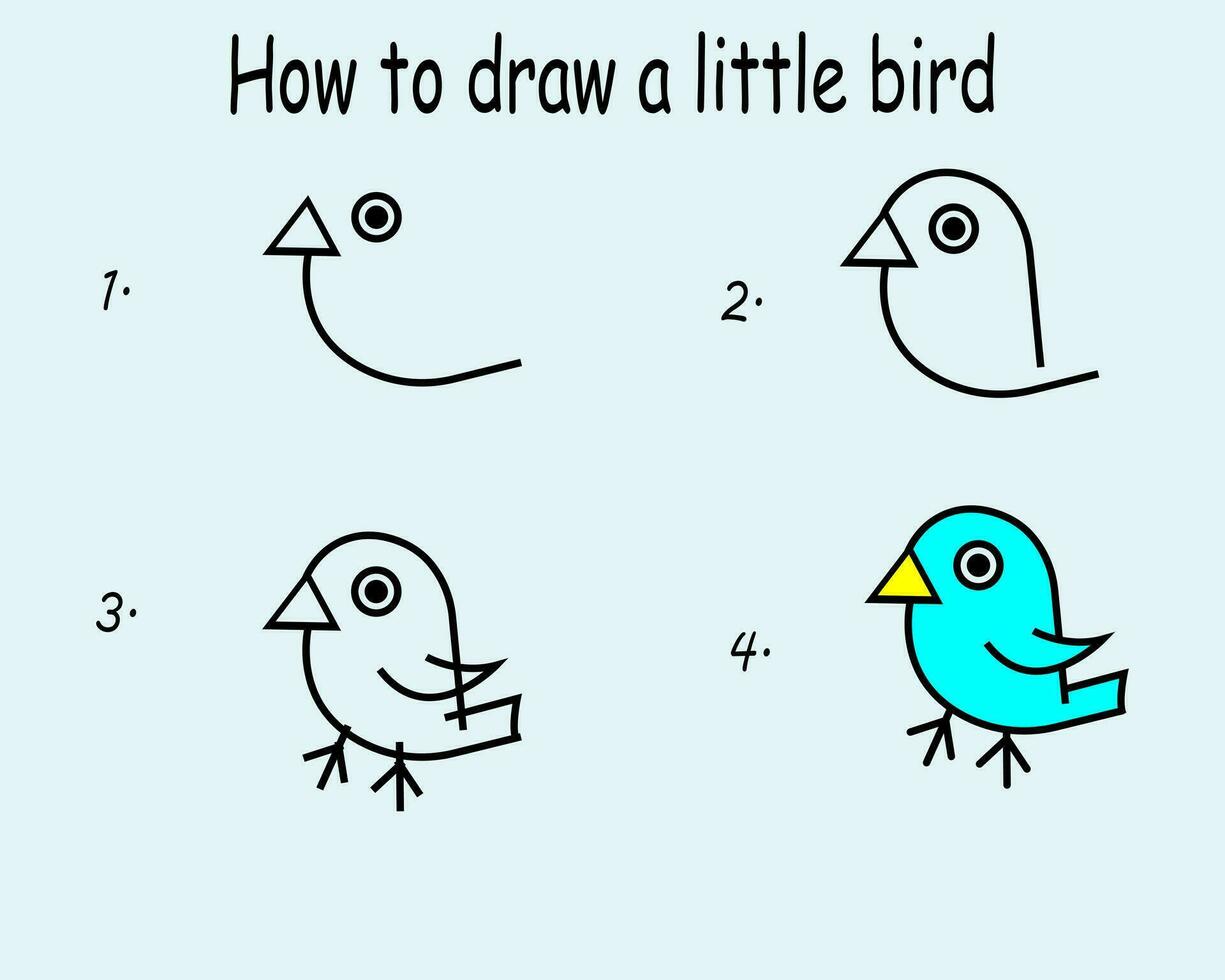
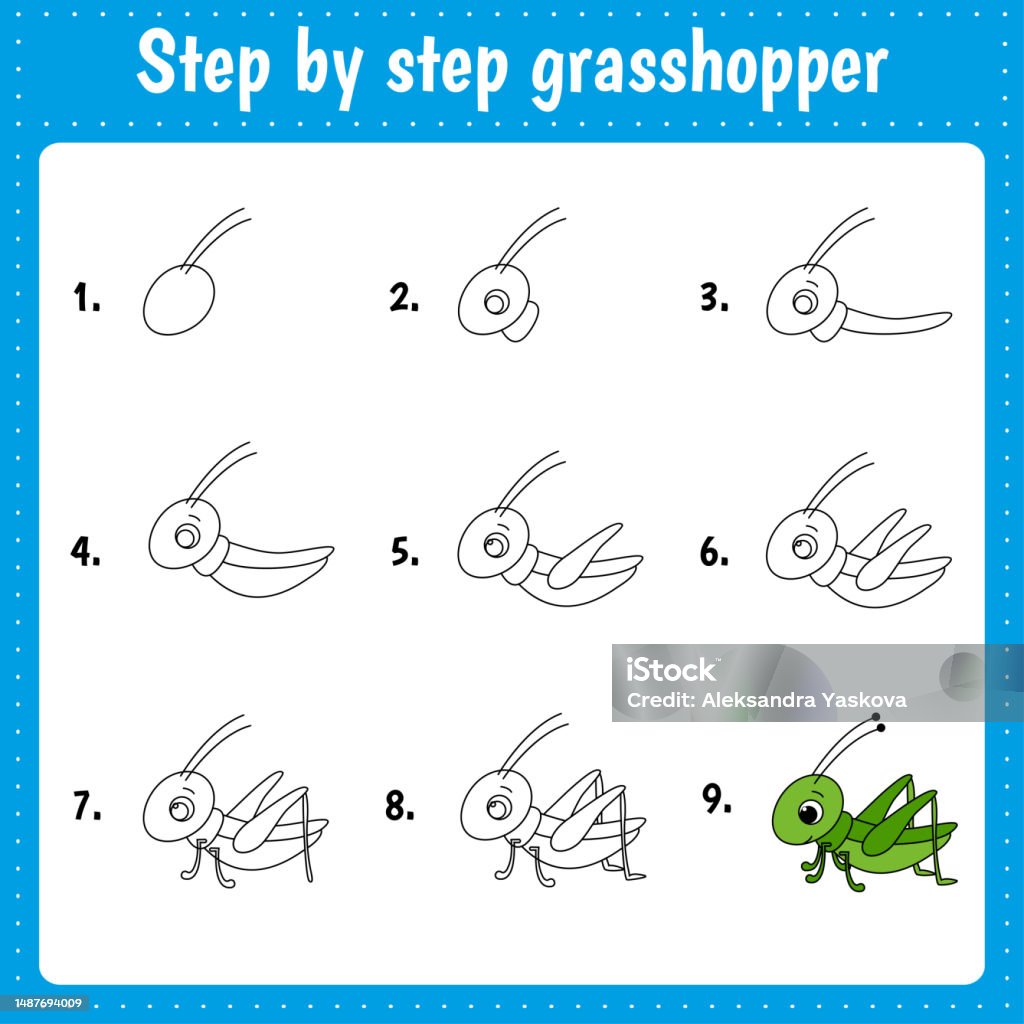
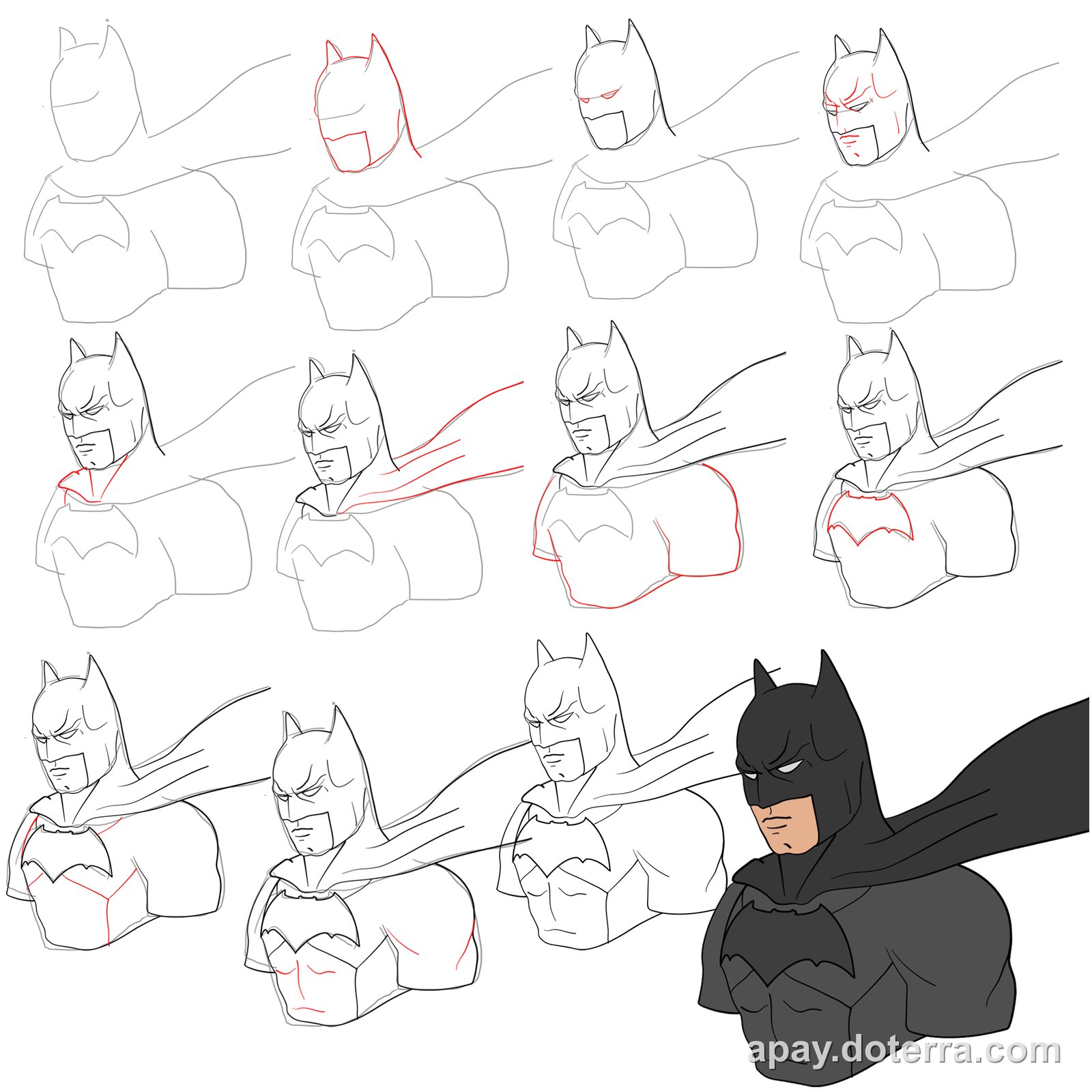
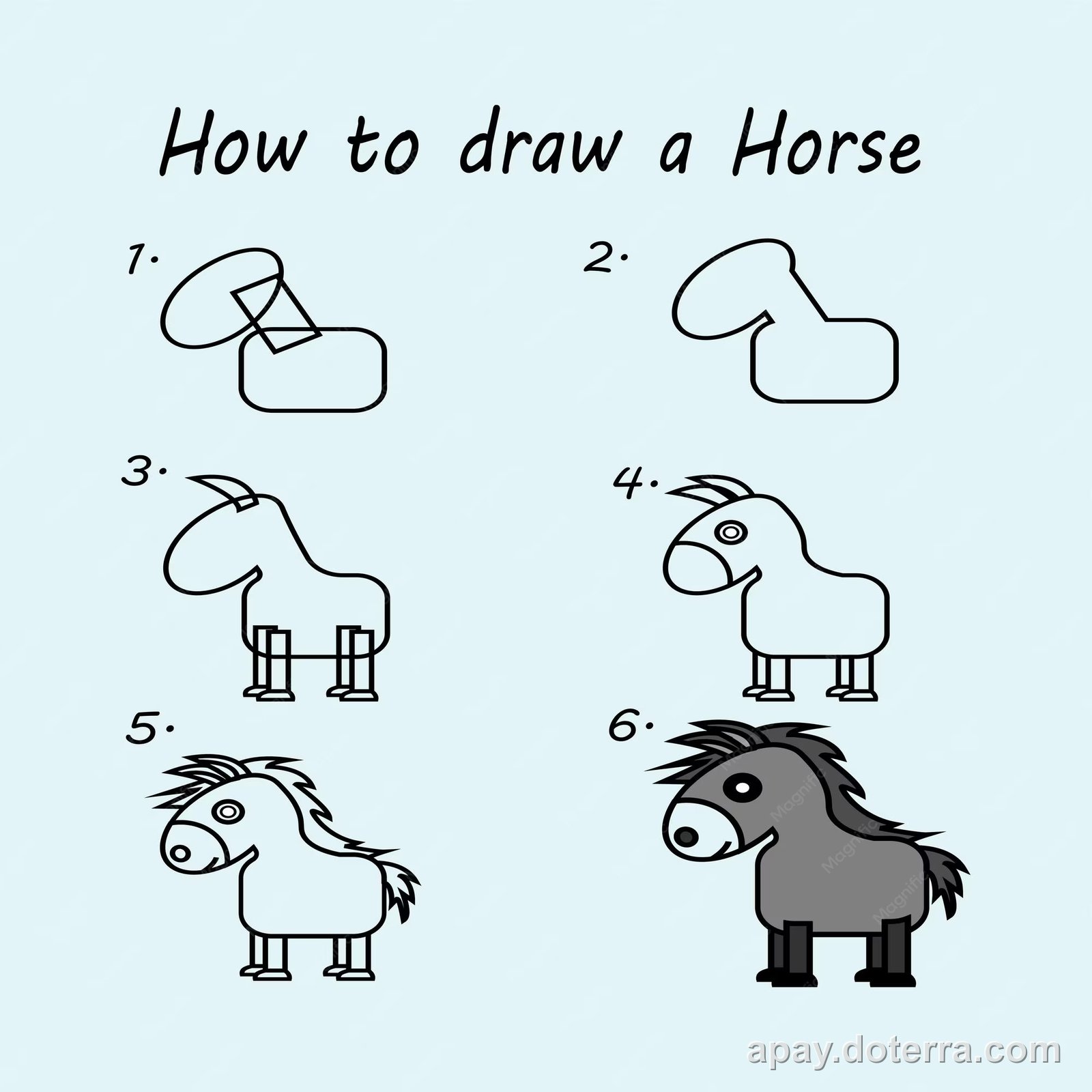
When it comes to drawing lessons for preschoolers, you'll find a variety of printable options, each with its unique purpose. Coloring pages often feature simple designs or characters, encouraging creativity and fine motor skills. Templates, on the other hand, provide a more structured approach, guiding children through step-by-step drawing processes. Worksheets combine drawing with other skills, like following instructions or recognizing shapes.
Step-by-Step: Using Printables for Preschool Drawing Lessons
To make the most of these printables, follow these simple steps:
- Select the appropriate printable type based on your child's age, skill level, and learning goals.
- Print the selected printable on quality paper, considering the printer's settings to ensure the best results. US Letter and A4 sizes may differ, so adjust as needed.
- For coloring pages, provide a range of coloring tools like crayons, colored pencils, or markers. Explain the basic techniques and let their creativity flow.
- With templates, guide your child through each step, encouraging them to follow the instructions and develop their drawing skills.
- Worksheets offer a more comprehensive approach, combining drawing with other educational aspects. Adapt the instructions to suit your child's age and understanding.
Avoiding Common Pitfalls with Printable Drawing Lessons
While printables are a fantastic resource, there are a few potential pitfalls to avoid:
- Ensure the printable is age-appropriate and aligns with your child's skill level. Avoid frustration by choosing simpler designs for younger children.
- Preschool art activities should be enjoyable. If your child loses interest, take a break or try a different printable to keep the experience positive.
- Store your printables safely to avoid damage. Consider using plastic sleeves or binders for easy access and organization.
- Remember, results may vary, and every child learns at their own pace. Adapt the lessons to your child's needs and celebrate their unique progress.
When it comes to drawing lessons, remember that each child's experience will be unique, and that's perfectly okay! The key is to adapt these tips to suit your little artist's needs and interests.
Feel free to explore and experiment; that's the beauty of creativity! If you're after more practical guides like this, be sure to bookmark our page for future reference. We've got plenty of other helpful resources to discover.
Visual Reference Gallery