Read the Drawing: A Simple Guide
Learn how to "read the drawing" with our printable guide. Get tips on using this template and start drawing with confidence. Try it now!
You're here because you need a quick solution, a printable fix, and you've heard of "read the drawing". It's a simple concept but a powerful tool for anyone looking to engage with a drawing or illustration. This printable resource is versatile and can be used in various ways, making it a handy addition to your toolkit.
A Guide to "Read the Drawing" Printables
"Read the Drawing" printables are a fantastic resource for developing visual literacy skills, particularly for younger learners. These printables offer a fun and interactive way to teach children how to interpret and understand drawings, enhancing their ability to communicate visually.
Comparing Printable Formats
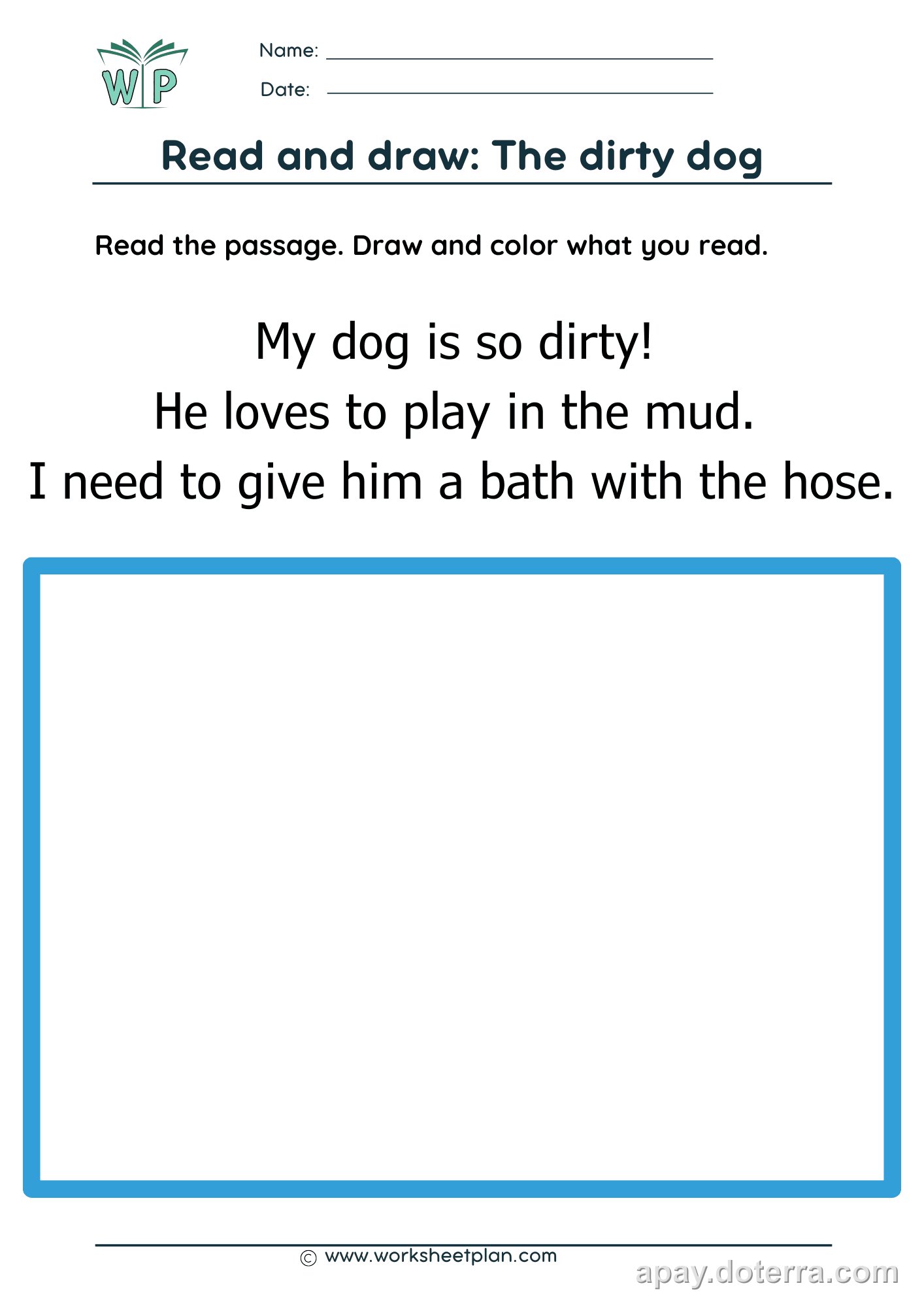
There are various formats for "Read the Drawing" printables, each with its own advantages. Coloring pages, for example, often feature simple drawings with clear outlines, perfect for younger children to color and engage with. Templates, on the other hand, provide a more structured approach, offering spaces for children to draw and interpret, with prompts and guidelines. Worksheets are another popular format, combining drawing interpretation with other skills like writing or problem-solving.
Using the Printable: A Step-by-Step Guide
When using a "Read the Drawing" printable, the first step is to choose the right format for your needs and the age of the child. Once you've selected the printable, printing it is the next step. Ensure you have the correct paper size; US Letter and A4 differ, so check your printer settings to avoid any scaling issues.
For coloring pages, provide your child with a range of coloring tools like crayons, pencils, or even watercolors for a more creative experience. Encourage them to explore different colors and techniques, fostering their creativity and fine motor skills.
For templates and worksheets, explain the task to your child or student. Templates often have clear sections, such as a drawing space, a prompt, and a space for interpretation. Worksheets might include additional activities like writing or problem-solving related to the drawing.
Guide your child through the process, offering support and encouragement. You can adapt the level of guidance based on their age and skill level.
Once they've completed the task, discuss their interpretation and the process they followed. This step is crucial for developing critical thinking and communication skills.
Common Misreadings and How to Avoid Them
One common pitfall is assuming that "Read the Drawing" printables are only suitable for young children. While they are an excellent resource for elementary school art and visual literacy activities, they can also be adapted for older children and even adults. To avoid this misreading, consider the age and skill level of your audience and choose printables accordingly.
Another potential issue is printing and scaling. Always check your printer settings to ensure the printable fits the paper size correctly. US Letter and A4 sizes differ, so be mindful of this when printing.
Lastly, remember that the key to effective use of these printables is engagement and discussion. Encourage open dialogue about the drawing and its interpretation to foster a deeper understanding of visual communication.
Well, there you have it! A simple guide to reading and understanding your printable drawings. Remember, each printable has its unique charm, so you might find slight variations in how they work.
Feel free to explore other guides for more tips and tricks. And when you're ready to dive into your next printable project, be sure to bookmark this page for a quick refresh on the basics. Happy printing and coloring!
Visual Reference Gallery