How to Use Drawing for Maths Effectively?
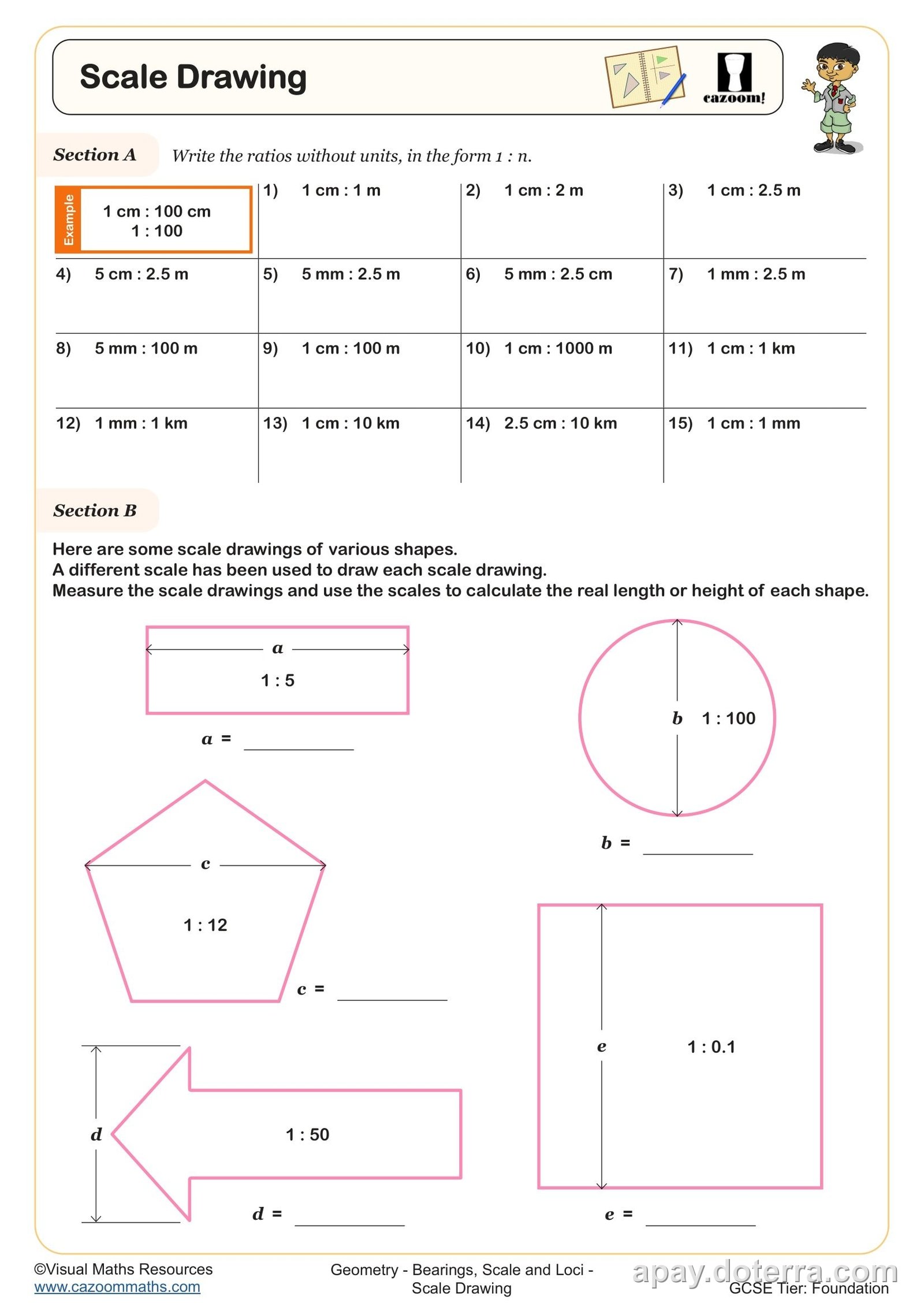
Get your hands on our 'drawing for maths' printable and discover an engaging way to learn. A simple guide to using this resource is also included. Try it now!
Many assume that drawing for maths is solely for younger students, but it's a versatile tool with benefits for all ages. While it's true that drawing can make math more engaging and accessible for kids, it also has a place in more advanced studies and can be a valuable resource for teachers and learners of all levels.
This simple yet effective method offers a unique way to visualize and understand mathematical concepts, providing an alternative approach that suits different learning styles. Whether it's a coloring page for kindergarten or a detailed template for first-grade math, drawing activities offer a fun and interactive way to learn.
Drawing for Maths: A Practical Guide
Drawing for maths is an engaging and interactive way to introduce and reinforce mathematical concepts. This printable resource offers a unique approach to learning, combining creativity and problem-solving. It is an excellent tool for parents, teachers, and educators looking for innovative ways to teach and reinforce math skills.
Key Details and Prerequisites
The printable focuses on various math topics, such as shapes, patterns, geometry, and basic arithmetic. It is designed for children in the early years of their education, typically kindergarten to second grade, though older students may also find it enjoyable and beneficial. The key to its effectiveness lies in its visual nature, allowing children to explore and understand math concepts through drawing and coloring.
Step-by-Step Guide to Using the Printable
Here is a simple guide to using this resource effectively:
Choose the Right Printable: Select a printable that aligns with the math topic you wish to cover. There are various options available, each focusing on a specific concept.
Prepare the Materials: Gather the necessary supplies, such as colored pencils, crayons, or markers. Ensure you have enough paper, preferably thick printing paper, to accommodate the drawings and coloring.
Introduce the Activity: Explain the purpose of the activity to the child, highlighting how drawing can help understand math. Provide a brief overview of the concept being taught.
Guide and Support: As the child engages with the printable, offer guidance and support. Encourage them to draw and color, explaining the math concept as they work. Answer any questions and provide additional explanations as needed.
Review and Discuss: Once the drawing is complete, take the time to review and discuss the math concept. Ask the child to explain their drawing and how it relates to the math topic. This step reinforces their understanding and allows for further exploration.
Repeat and Practice: Regular use of these printables can greatly benefit a child's math skills. Repeat the activity with different printables to cover various math concepts and provide ongoing practice.
Variations and Differences Across Standards
The beauty of drawing for maths printables is their adaptability. While the core concept remains the same, printables can be customized to align with different educational standards and curriculums. This allows teachers and parents to tailor the activity to their specific teaching needs. It is important to note that the effectiveness of these printables may vary depending on the child's age, prior knowledge, and individual learning style.
Common Mistakes and How to Avoid Them
One common mistake is rushing through the activity without proper explanation and guidance. Taking the time to introduce and explain the math concept is crucial for the child's understanding. Another pitfall is using inappropriate or low-quality printables. Ensure the printables are well-designed, clear, and suitable for the child's age and skill level.
Practical Tips for Accurate Results
To ensure the best experience and results, consider the following tips:
Print the pages on A4 or US Letter size paper, depending on your region. Printer settings, such as "fit to page," can affect the print quality, so adjust as needed.
Encourage the use of different coloring tools, such as colored pencils or markers, to add variety and creativity to the drawings.
For older students, adapt the printables by adding more complex math problems or extending the activity with additional challenges. This keeps the activity engaging and suitable for their skill level.
Create a dedicated math corner or workspace where children can engage with these printables regularly. A consistent and comfortable environment can enhance their learning experience.
By following these practical tips and adapting the printables to suit individual needs, drawing for maths can become a valuable and enjoyable learning tool.
While the specifics of your drawing for maths activity may differ slightly, depending on the subject and your goals, the key principles outlined here should provide a solid foundation. Remember, every individual's learning style and printer capabilities are unique, so adapt these techniques to suit your needs.
Feel free to explore our other guides for more creative ways to engage with mathematical concepts. Consider bookmarking this page for future reference; it might just come in handy when you least expect it!
Visual Reference Gallery