Understand Electron Groups: A Simple Guide
Explore "electron withdrawing and donating groups" with our easy-to-use printable. Get started quickly with simple tips and a ready-to-go template.
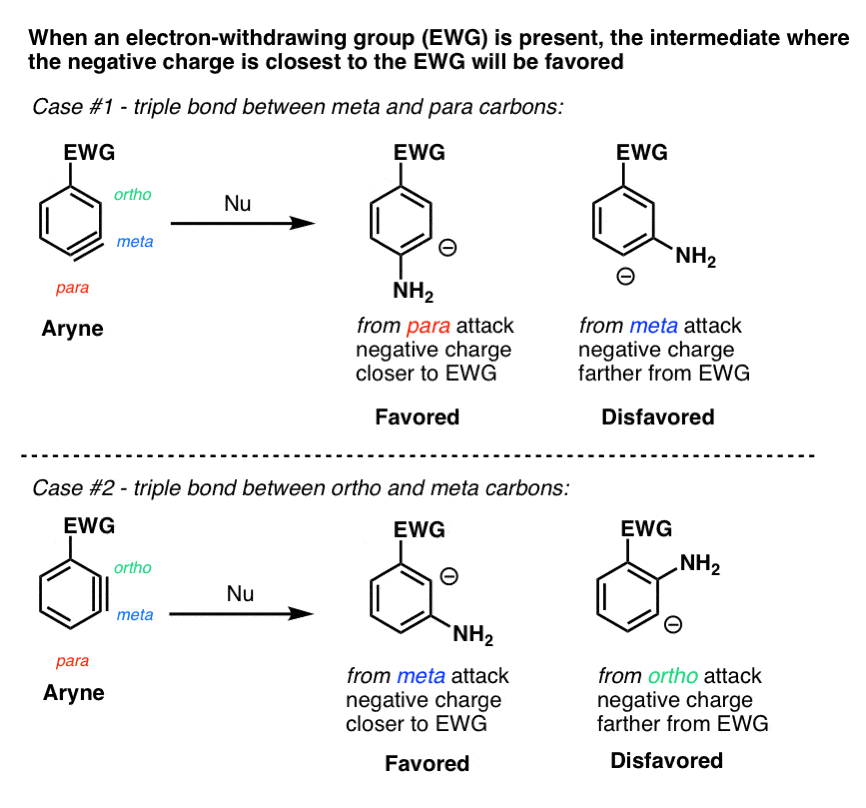
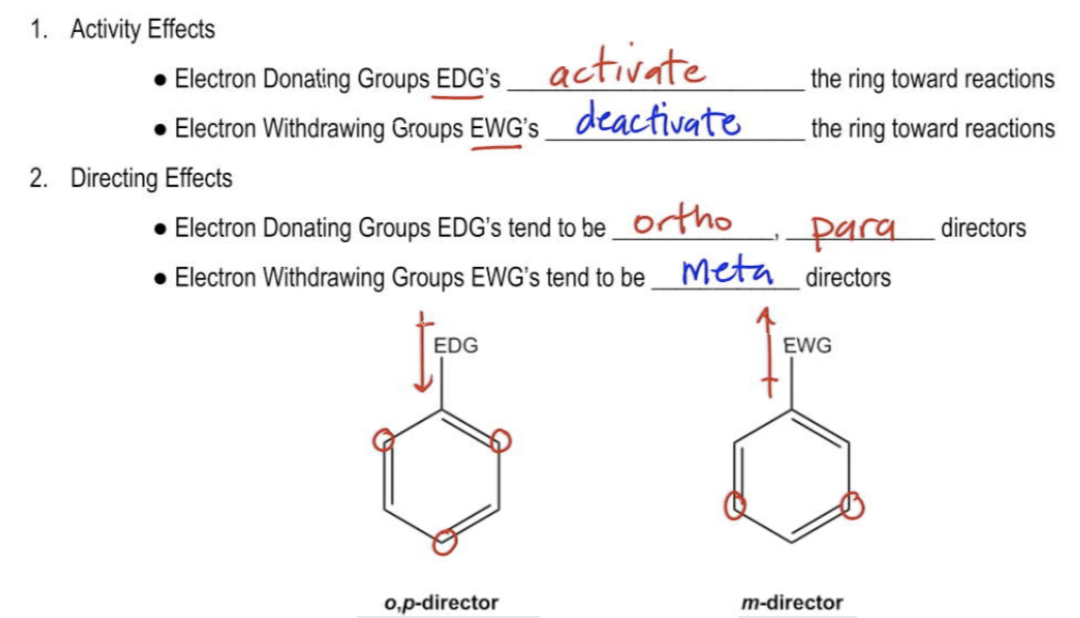
You're likely here for a quick guide on electron withdrawing and donating groups, and I've got you covered! This simple concept is key to understanding organic chemistry and chemical bonding. It's a handy tool, often as a printable PDF, that you can use to grasp the flow of electrons and the role of electronegativity. Whether you're a student, teacher, or just curious, these groups offer a clear way to visualize and learn about electron pushing and donation.
A Practical Guide to Electron Withdrawing and Donating Groups
Electron withdrawing and donating groups are fundamental concepts in chemistry, especially organic chemistry, and understanding these principles is crucial for anyone studying chemical bonding. This printable guide aims to simplify these concepts, making them accessible and easy to grasp.
Comparing the Options: Withdrawing vs. Donating
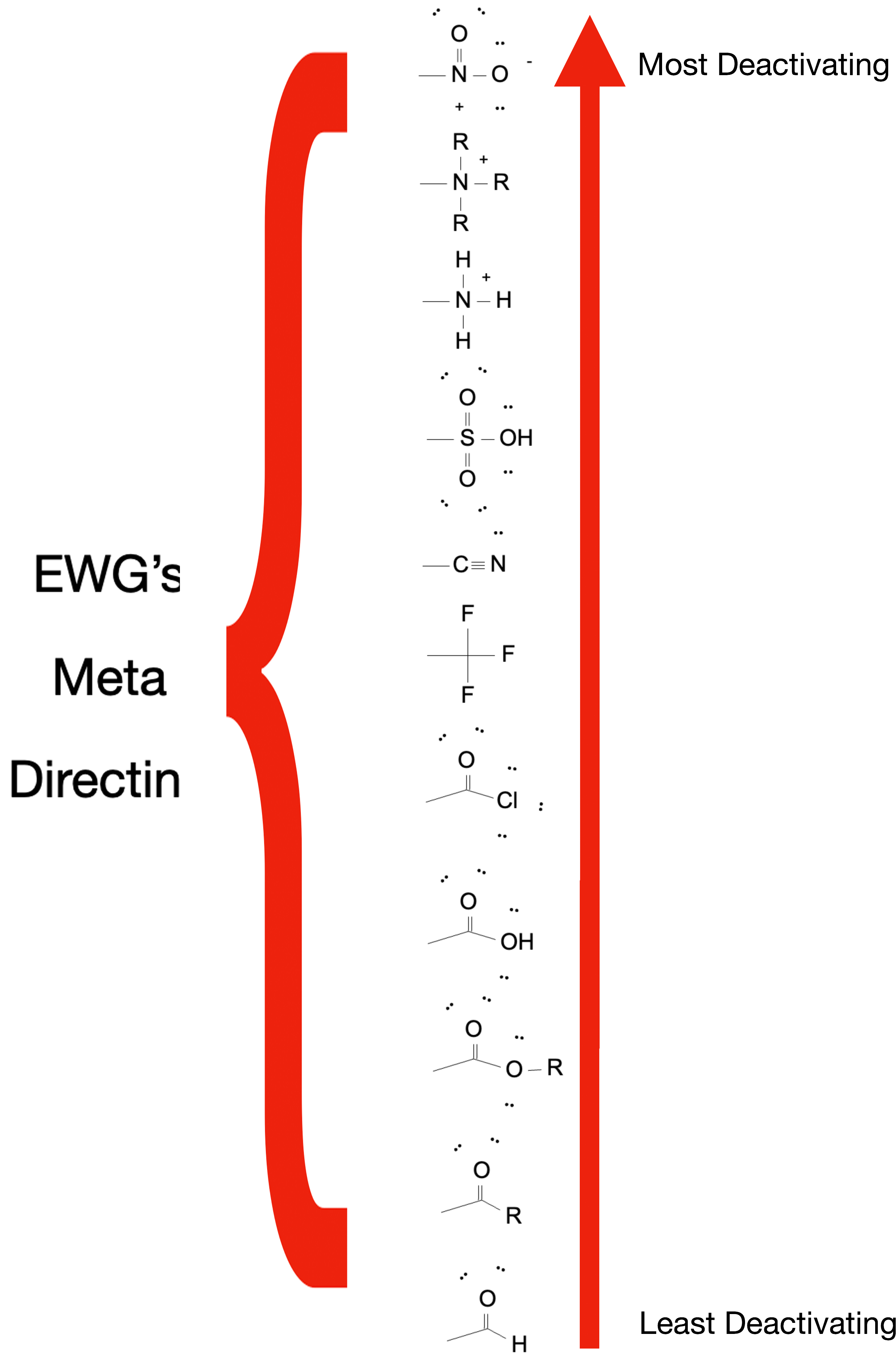
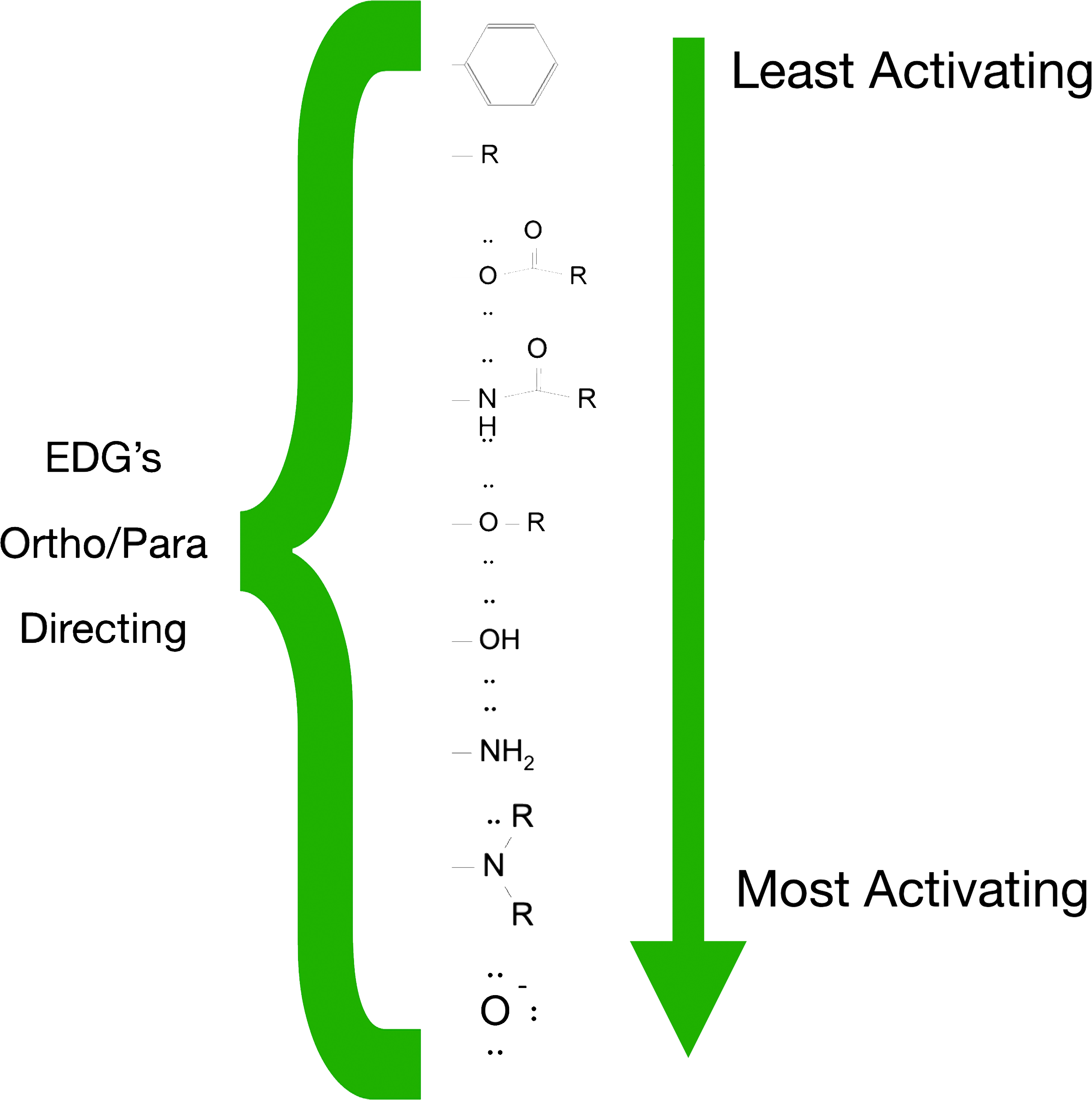
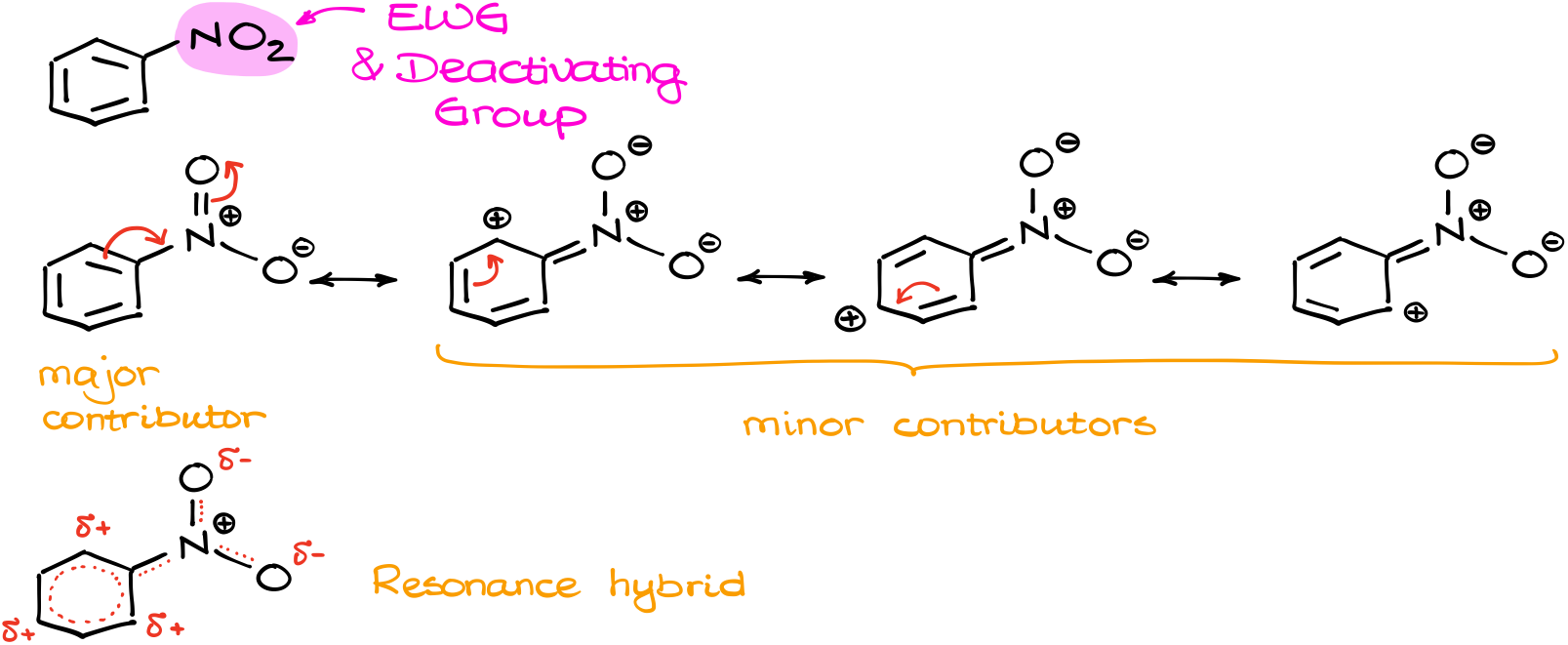
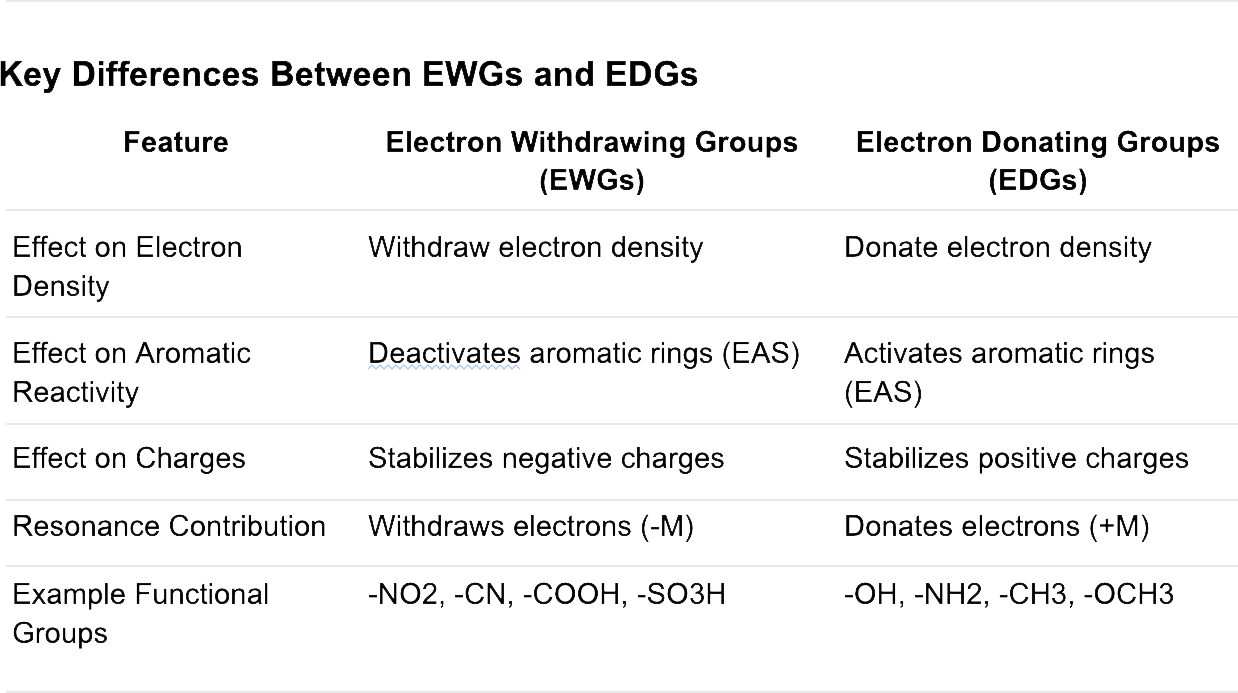
When it comes to electron groups, there are two main categories: electron withdrawing groups and electron donating groups. These terms describe the effect a particular group of atoms has on the distribution of electrons within a molecule. Electron withdrawing groups tend to pull electrons away from the rest of the molecule, while electron donating groups do the opposite, pushing electrons towards other parts of the molecule.
Step-by-Step: Understanding the Concepts
To grasp these concepts, follow these simple steps:
Start by familiarizing yourself with the basic idea of electronegativity. This concept explains how atoms attract electrons.
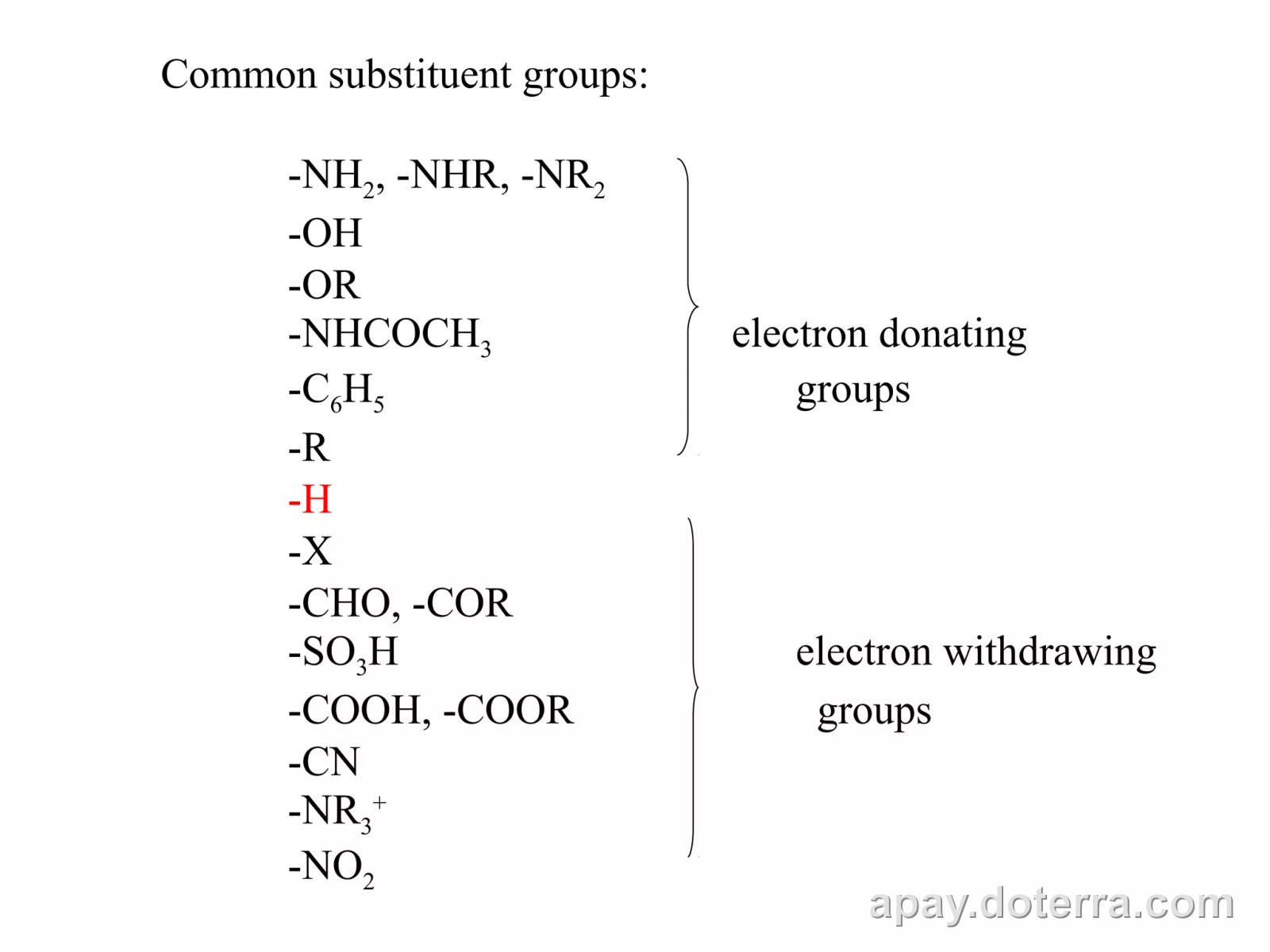
Next, learn to identify electron withdrawing groups. These groups often contain atoms with high electronegativity, such as oxygen or nitrogen.
Contrast this with electron donating groups, which typically feature atoms with lower electronegativity, like hydrogen or alkyl groups.
Practice recognizing these groups in various chemical structures. Look for patterns and trends to reinforce your understanding.
Common Misconceptions and Pitfalls
One common mistake is assuming that electron withdrawing and donating groups always have a significant impact on electron distribution. In reality, the effect can vary depending on the specific molecule and the surrounding environment. It's important to consider the overall context and not rely solely on these group labels.
Factors Affecting Accuracy
Several key factors can influence the accuracy of your understanding and application of these concepts:
Electronegativity: The electronegativity of atoms within a group plays a crucial role. Atoms with higher electronegativity are more likely to withdraw electrons.
Molecular Structure: The overall structure of the molecule affects how electron groups interact. Complex molecules may have unique electron distribution patterns.
Chemical Environment: The presence of other molecules or ions can influence electron distribution. External factors can enhance or diminish the effects of electron groups.
Choosing the Right Format for Your Needs
When selecting a resource to learn about electron withdrawing and donating groups, consider your specific needs and preferences:
If you prefer a visual guide, opt for a printable worksheet or coloring page that illustrates these concepts.
For a more comprehensive reference, a detailed template or guide might be more suitable, offering a structured overview of the concepts.
Adaptable resources, like customizable templates, allow you to tailor the content to your specific interests or curriculum requirements.
Remember, the key is to find a resource that suits your learning style and provides a clear, accurate understanding of these fundamental chemical concepts.
Hey there! So, when it comes to electron withdrawing and donating groups, remember that the specifics might vary a little depending on what you're working with. The key is to adapt and choose the right format to suit your needs.
Don't worry if you need a refresher; just bookmark this page for a quick reminder whenever you need it. There are plenty more guides to explore, so feel free to check them out and keep learning!
Visual Reference Gallery