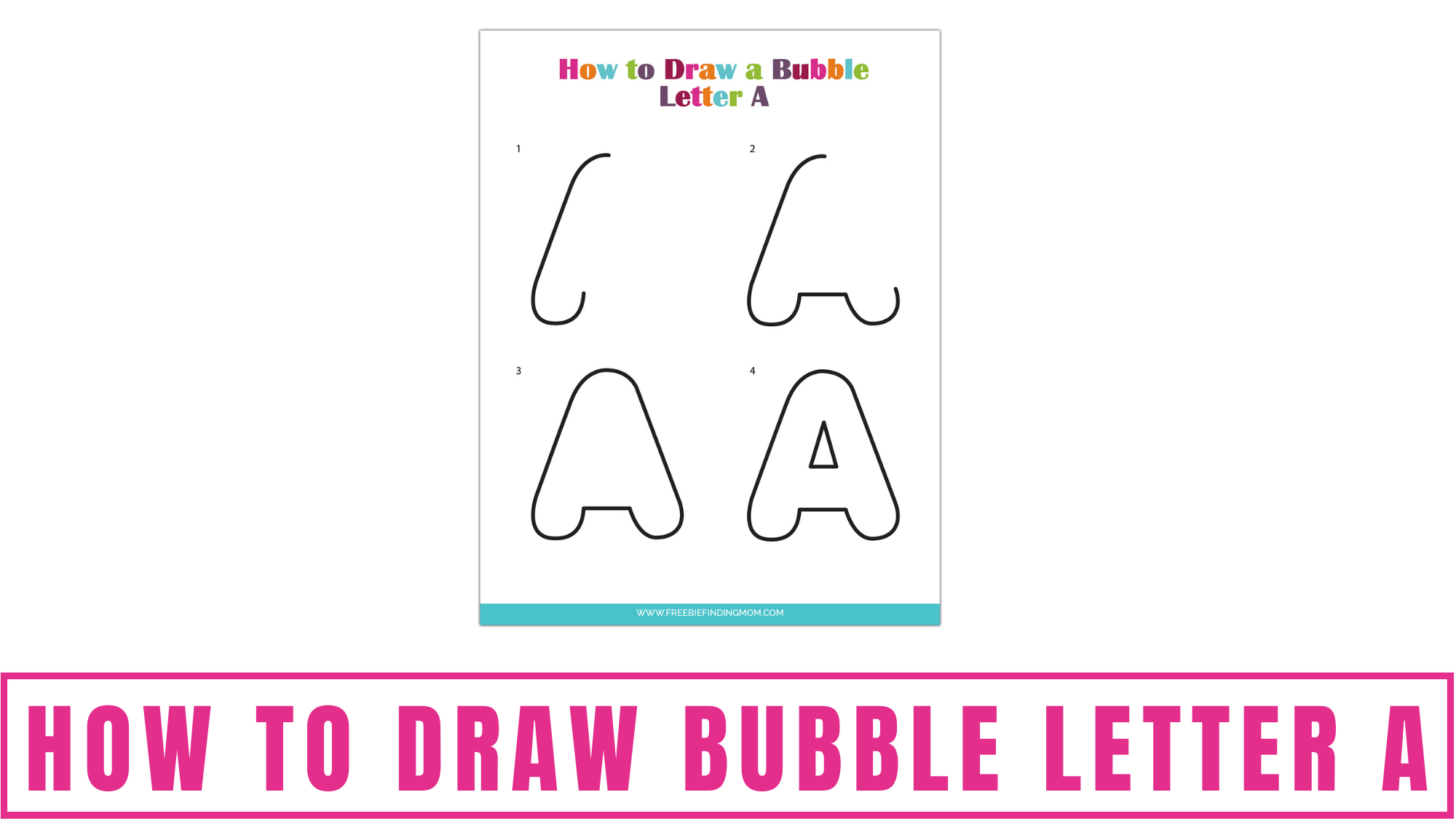
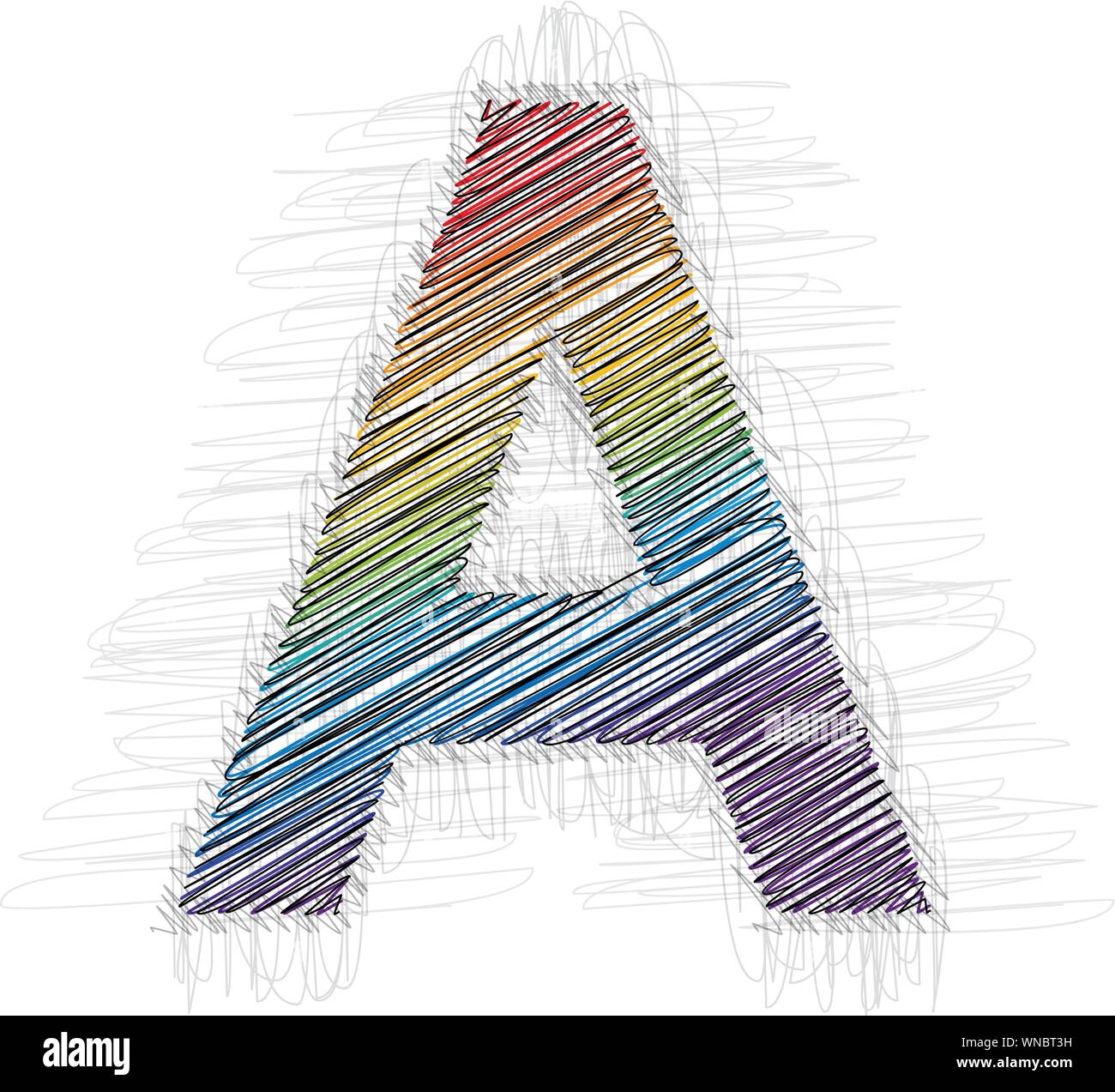
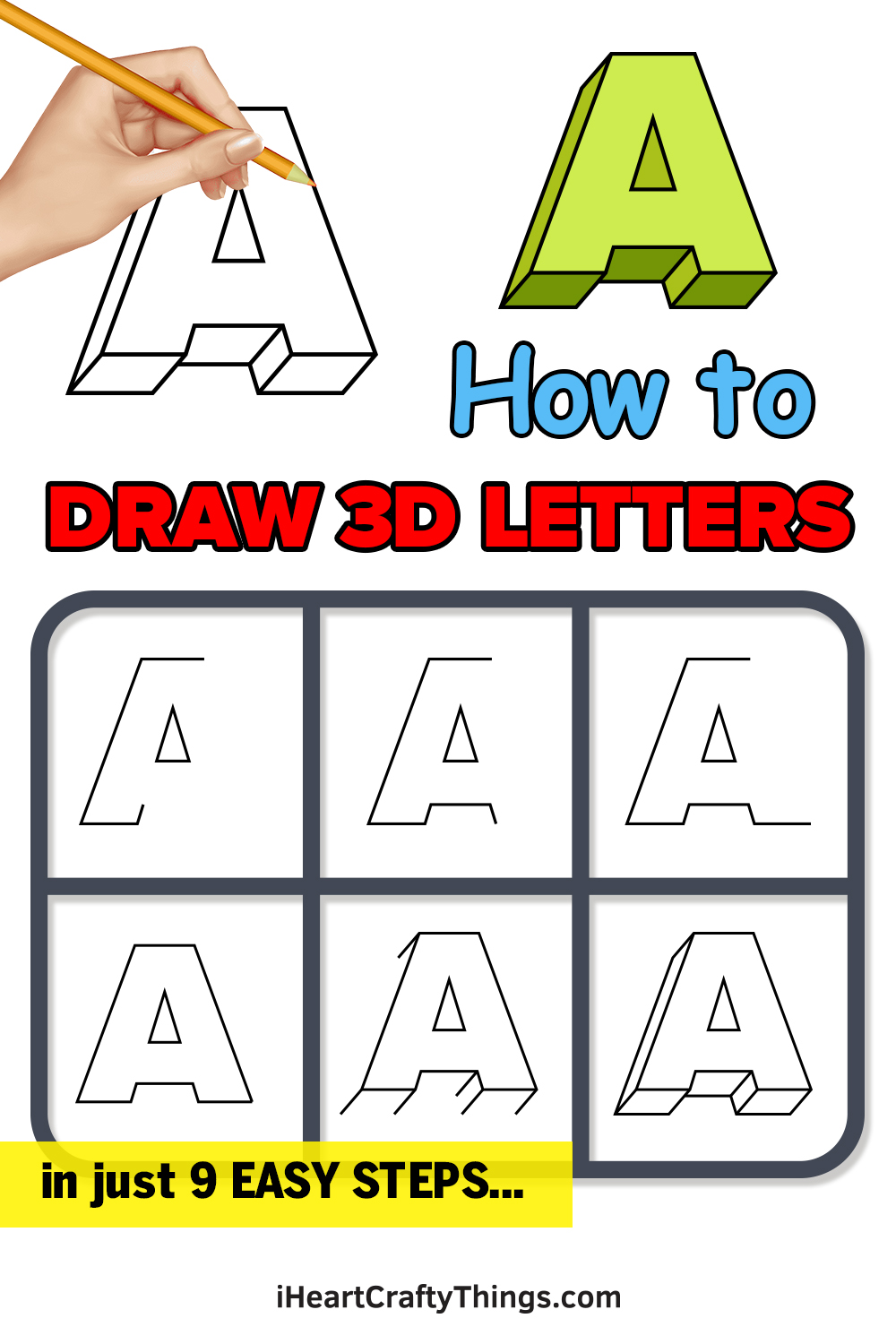
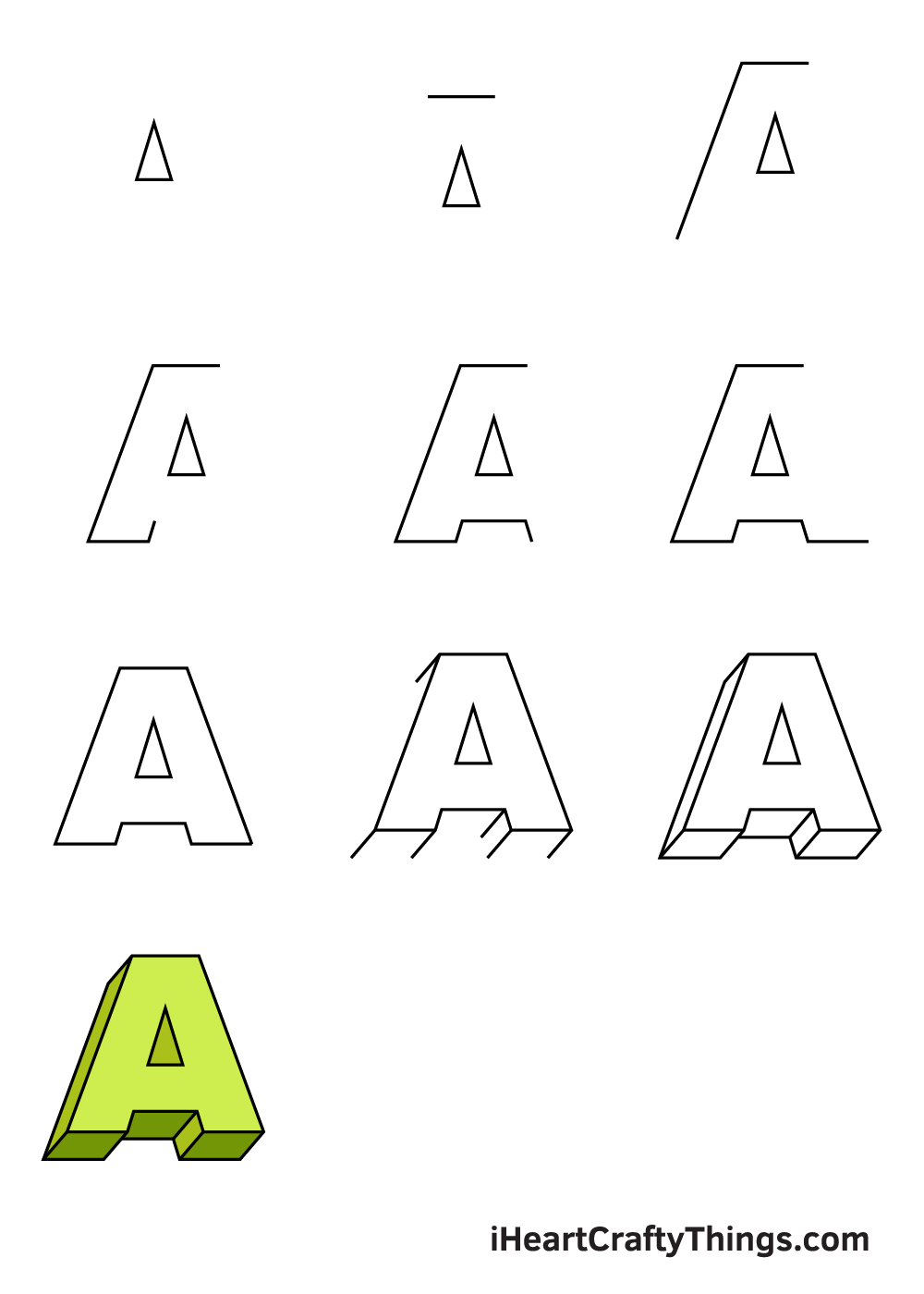
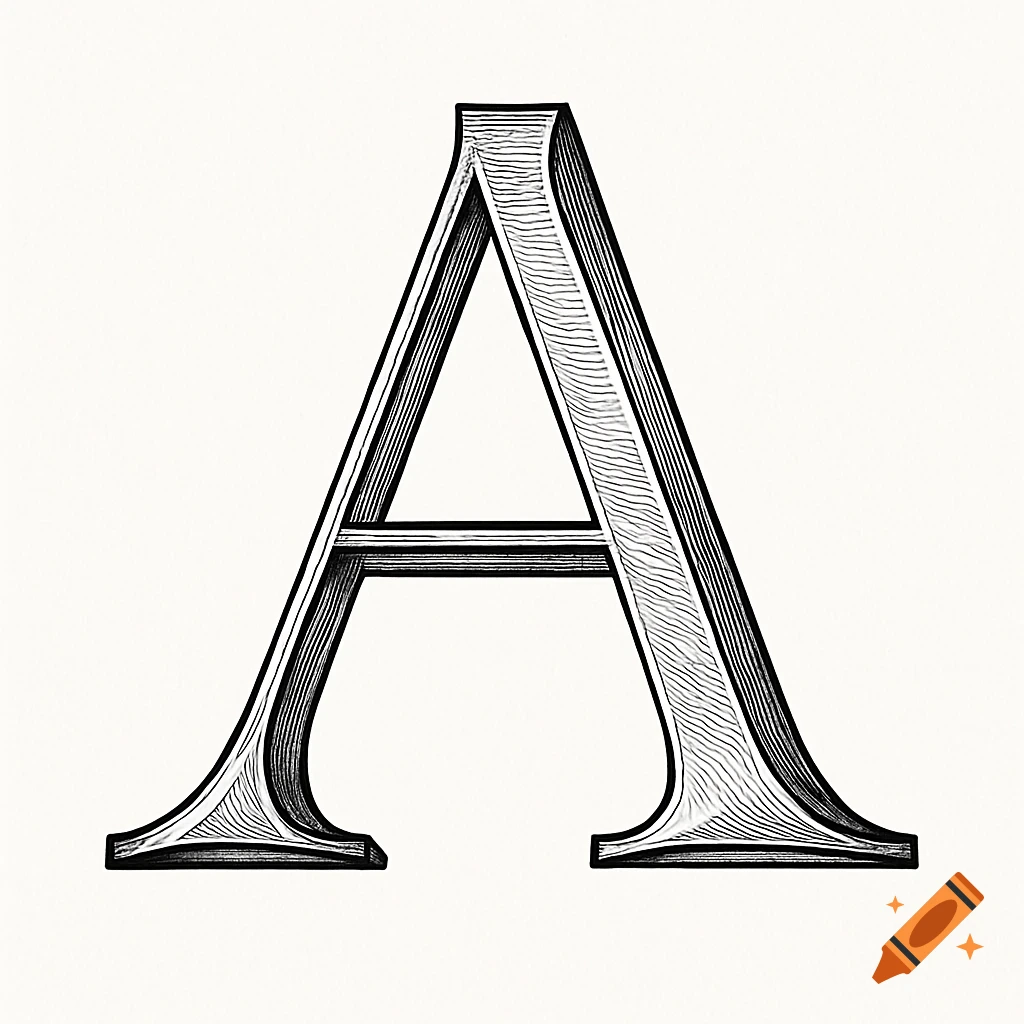
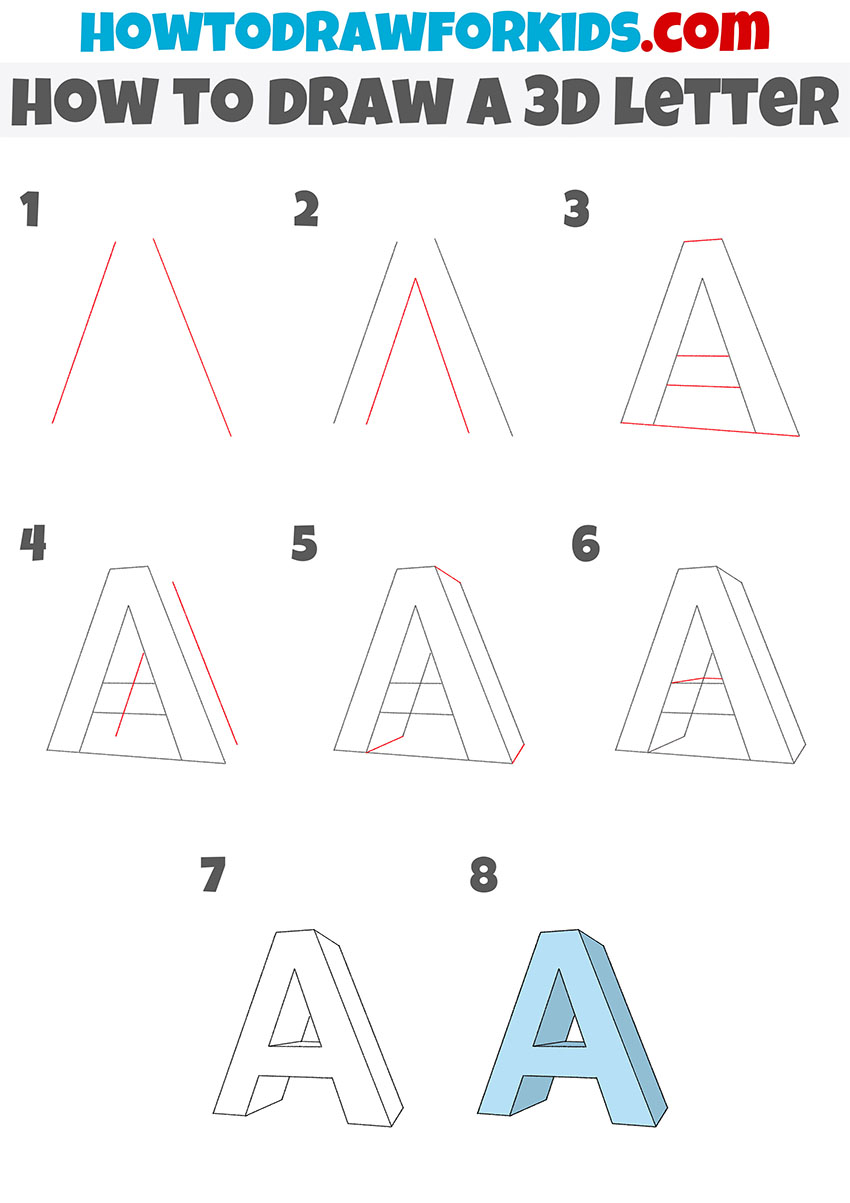
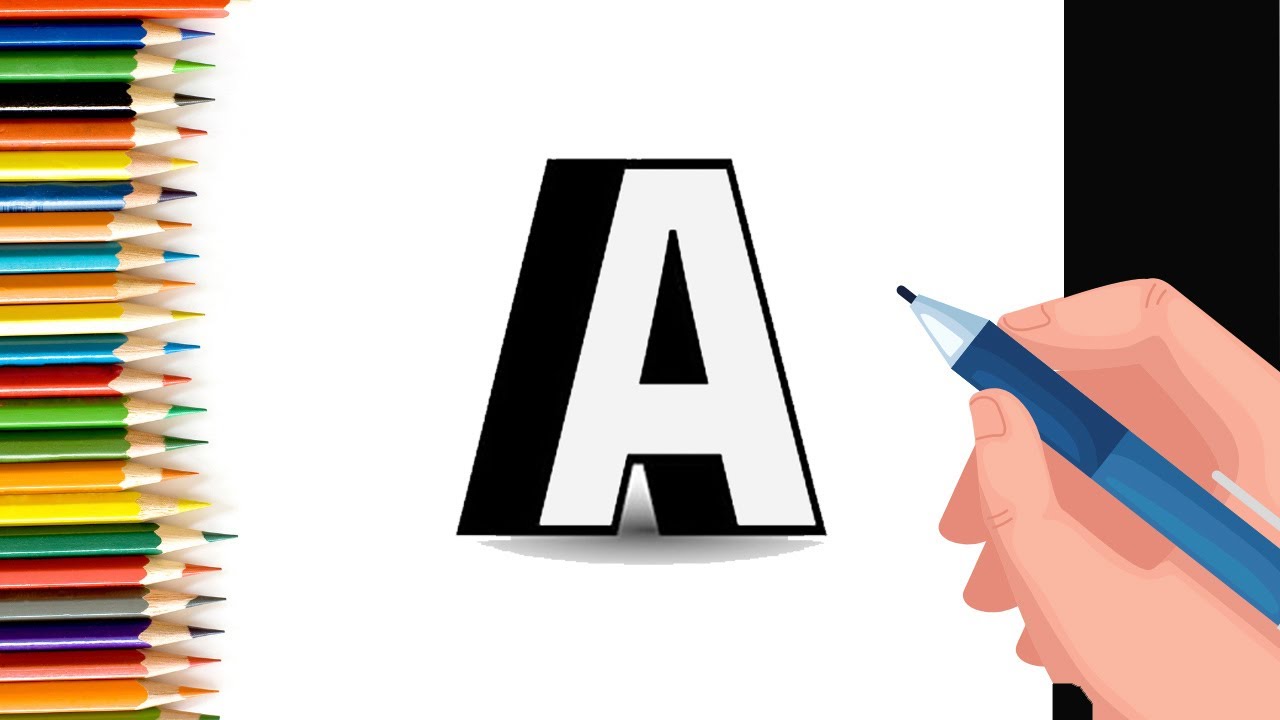
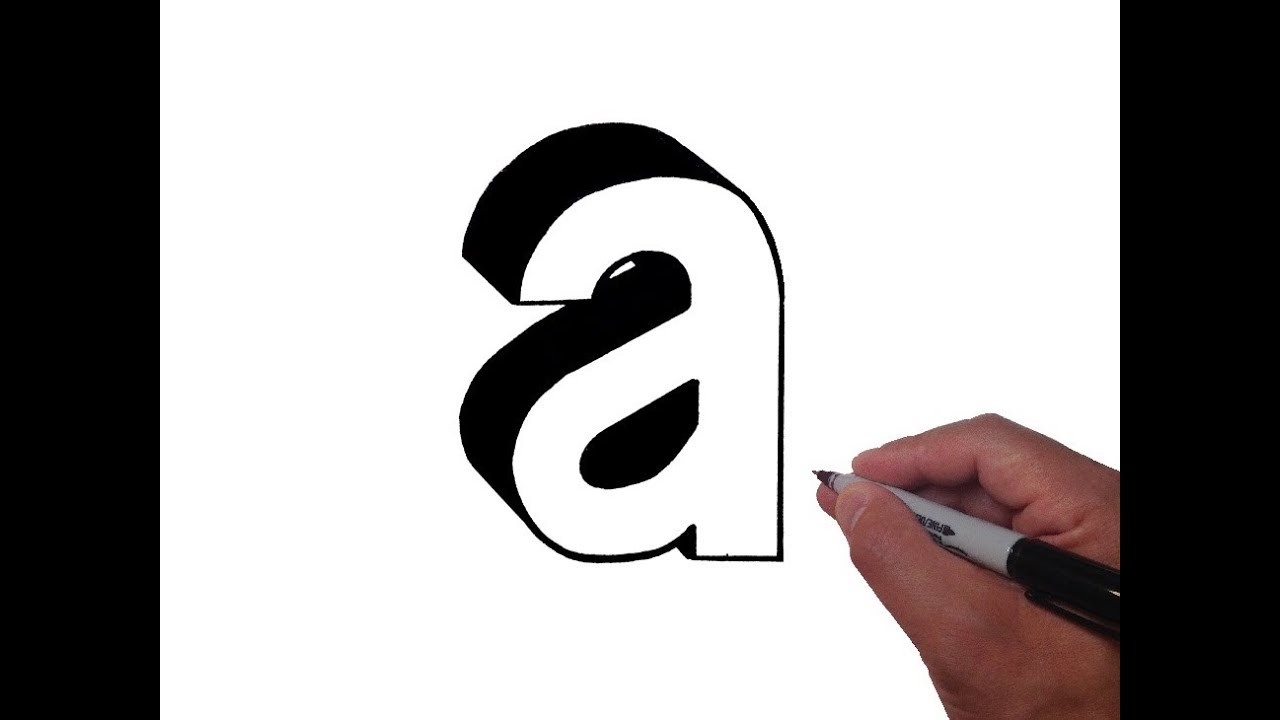
Need a letter A drawing? Printable template here!
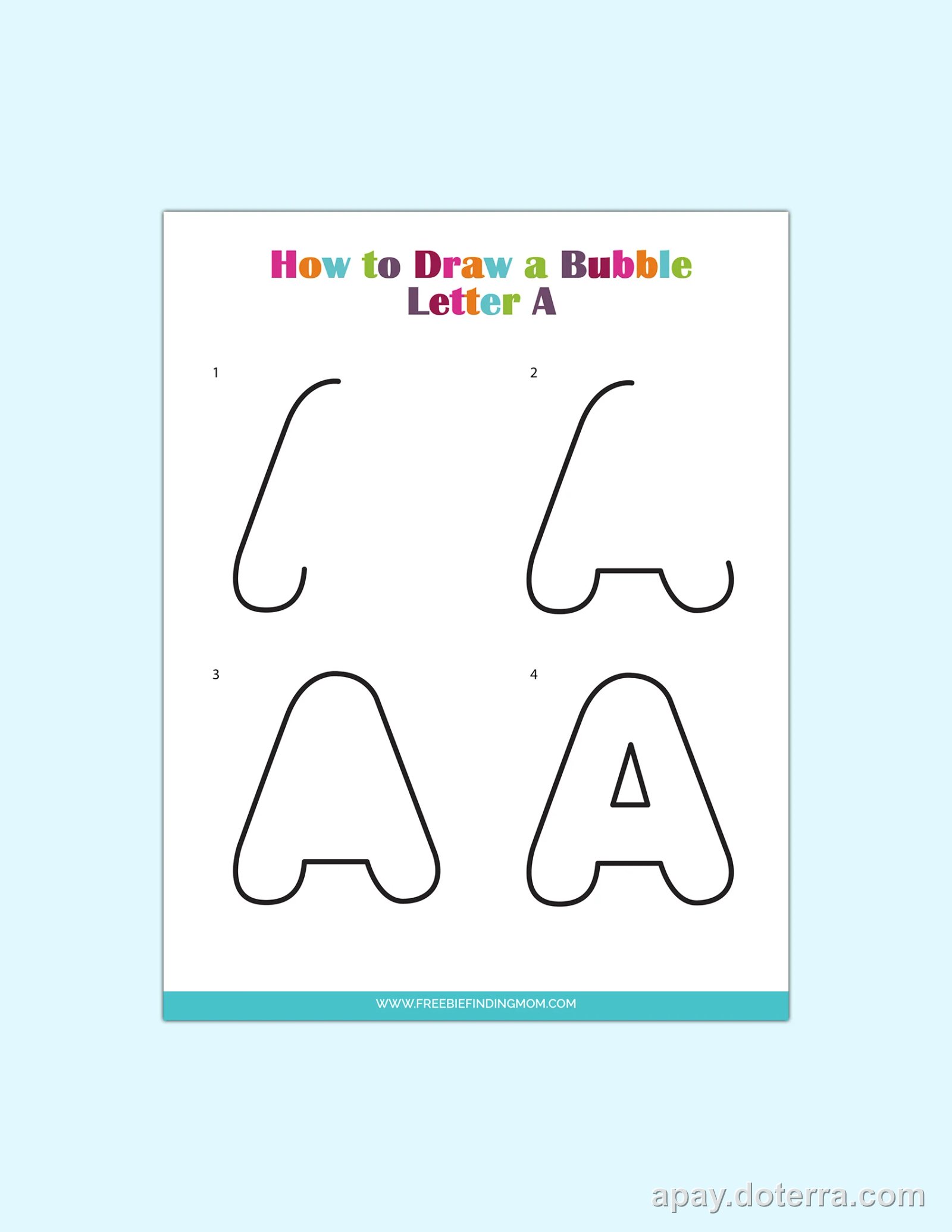
Looking for a letter A drawing? Get a simple, printable template to use right away. A fun, easy guide for kids and adults.
A letter a drawing is a versatile resource, often sought as a quick and engaging activity for young learners. This guide will cover the various ways this simple tool can be utilized, offering an efficient and effective approach to learning. Whether it's a coloring page, template, or worksheet, the "letter a drawing" provides an accessible entry point for exploring the alphabet.
A Guide to Letter A Drawing Printables
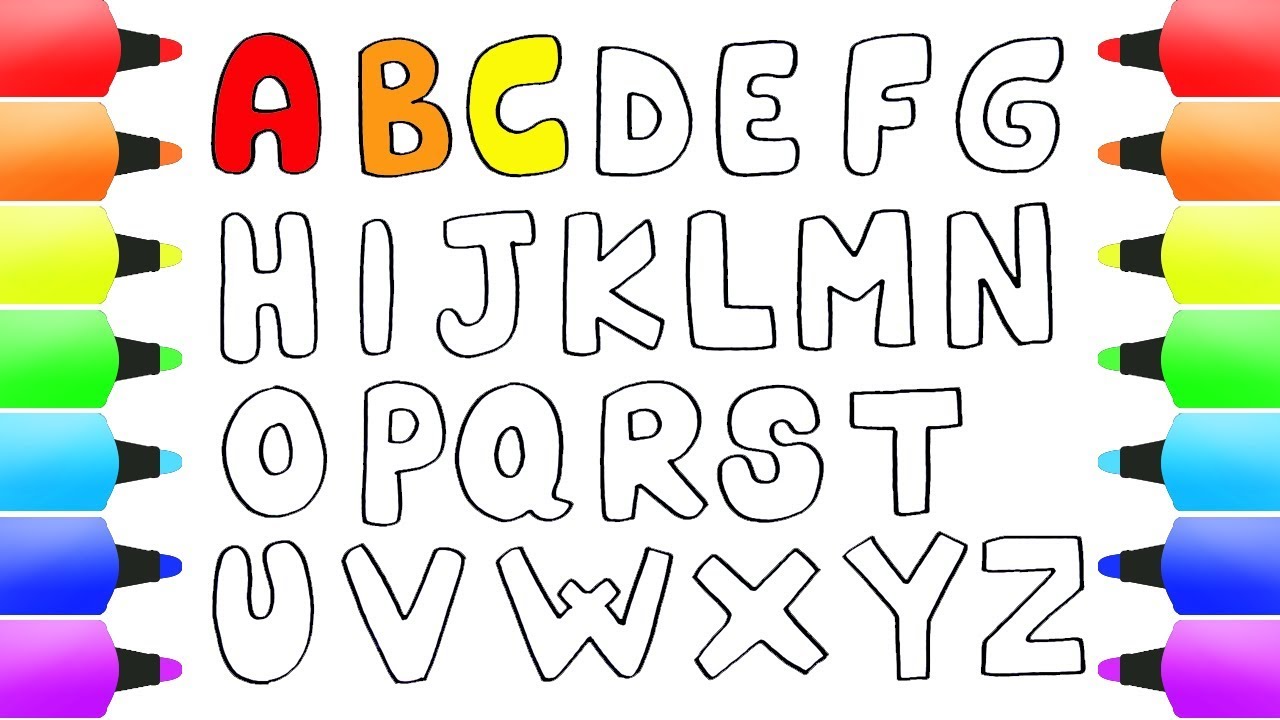
Letter A Drawing printables are a popular choice for parents, teachers, and educators looking for engaging resources to teach young children about the alphabet. These printables often come in the form of coloring pages, templates, or worksheets, offering a fun and interactive way to learn letter recognition and formation.
Choosing the Right Letter A Drawing Printable
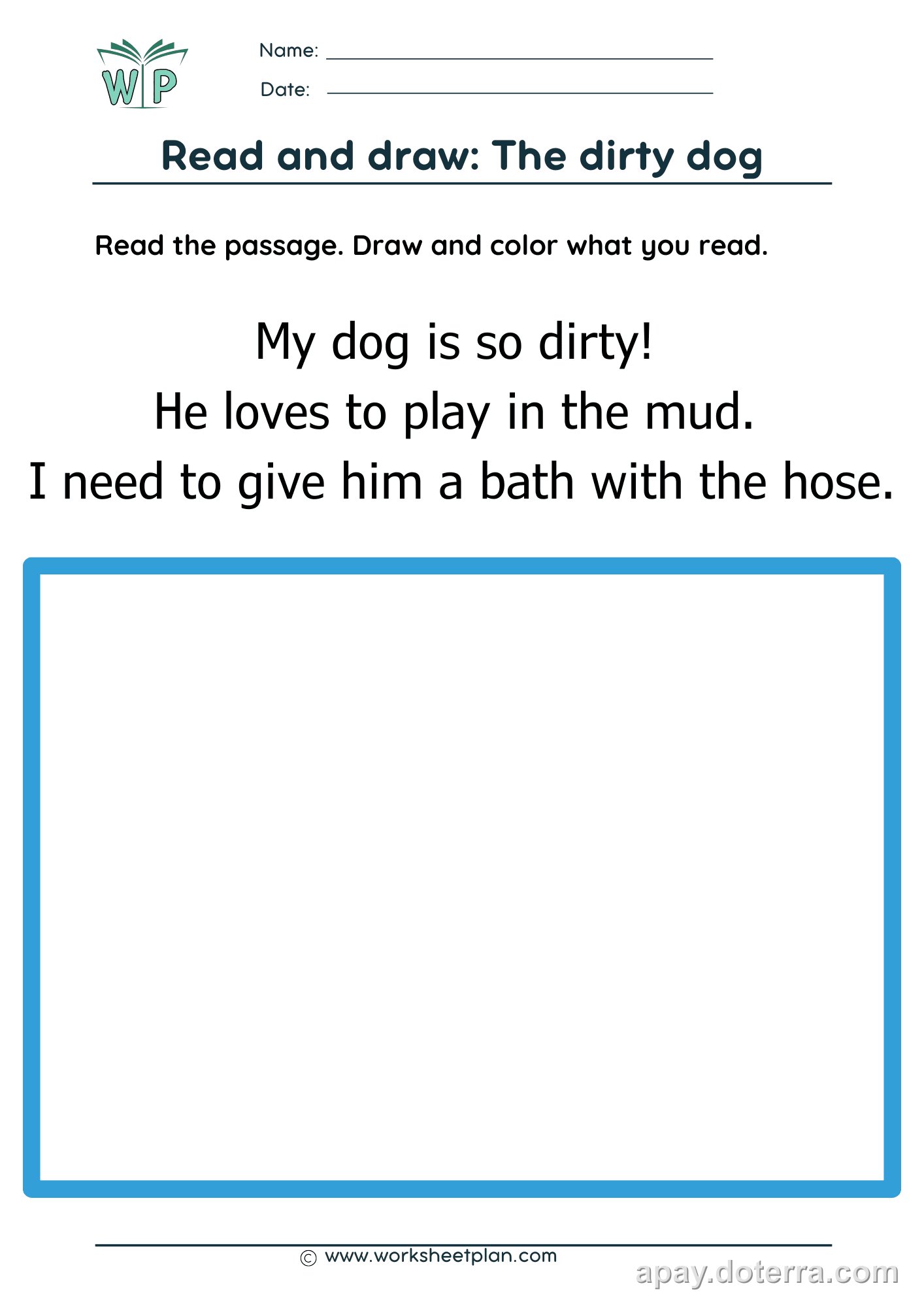
When selecting a letter a drawing printable, you'll find a variety of options, each with its own benefits. Coloring pages typically feature a large letter "A" with a simple design, often accompanied by pictures or themes related to the letter. Templates, on the other hand, provide a more structured approach, offering outlines or guides for tracing or writing the letter. Worksheets usually include a mix of activities, such as tracing, writing, and identifying the letter within words.
Using Letter A Drawing Printables: A Step-by-Step Guide
Here's a simple guide to using letter a drawing printables effectively:
Select a printable that suits your purpose and the age or skill level of the child. Consider their interests and learning style to make it more engaging.
Print the page on quality paper. For coloring pages and templates, use thicker paper like cardstock to prevent bleeding or tearing. For worksheets, regular printer paper is usually sufficient.
Choose the right coloring tools. Coloring pages can be brought to life with crayons, colored pencils, or even watercolors for older children. Templates and worksheets may require additional writing utensils like pencils, pens, or markers.
Set up a comfortable workspace. Ensure the child has a stable surface to work on and provide a place to store their coloring tools and any additional materials.
Introduce the printable. Explain the purpose of the activity and guide the child through the process. For coloring pages, encourage creativity and color mixing. With templates, demonstrate how to trace or write the letter accurately. Worksheets often require a more structured approach, so guide the child through each activity, offering assistance as needed.
Encourage exploration and learning. While following the printable's instructions, allow the child to explore and express their creativity. Discuss the letter's sound, its place in the alphabet, and any related words or themes.
Review and reinforce. After completing the printable, review the letter's formation and sound. For worksheets, go over the activities and correct any mistakes gently, providing guidance for improvement.
Common Misconceptions and How to Avoid Them
A common misconception is that letter a drawing printables are solely for coloring. While coloring pages offer a fun and creative aspect, templates and worksheets provide a more structured learning experience, focusing on letter formation and recognition. It's important to choose the right type of printable for your specific learning goals.
Factors Affecting Accuracy and Real-World Use
Several key factors can impact the effectiveness of letter a drawing printables:
Age and Skill Level: Consider the child's age and their current writing or drawing abilities. Choose printables that match their developmental stage to ensure a positive and engaging experience.
Paper Quality: Using the right paper can make a difference. Thicker paper prevents smudging and provides a smoother writing or coloring surface.
Printing Settings: Ensure your printer is set up correctly. Different printers and paper sizes (such as US Letter or A4) may require adjustments to ensure the printable fits the page accurately.
Coloring Tools: The choice of coloring tools can enhance the experience. For younger children, crayons are often a good choice, while older children may prefer colored pencils or markers for more detailed work.
Adapting Letter A Drawing Printables for Different Needs
Letter a drawing printables offer flexibility and can be adapted to suit various learning styles and needs:
Differentiation: You can easily adjust the difficulty level by choosing printables with varying levels of complexity. For instance, a simpler coloring page or template can be used for younger children, while more detailed worksheets can challenge older students.
Customization: Many printables allow for customization. You can add your own twists by incorporating personal themes, favorite characters, or even creating your own templates or worksheets.
Multi-Sensory Approach: To engage multiple senses, consider combining printables with other activities. For example, after completing a coloring page, you can encourage the child to find objects around the house that start with the letter "A."
Remember, when it comes to printable resources like these, the specifics can vary, so it's always good to review the instructions and adapt as needed. Each printer and user is unique, so a little customization can go a long way!
Feel free to explore our other guides for more creative and practical ideas. We've got a range of topics to inspire and assist, so take a look and see what piques your interest!
Visual Reference Gallery