Write in Drawing: A Printable Guide
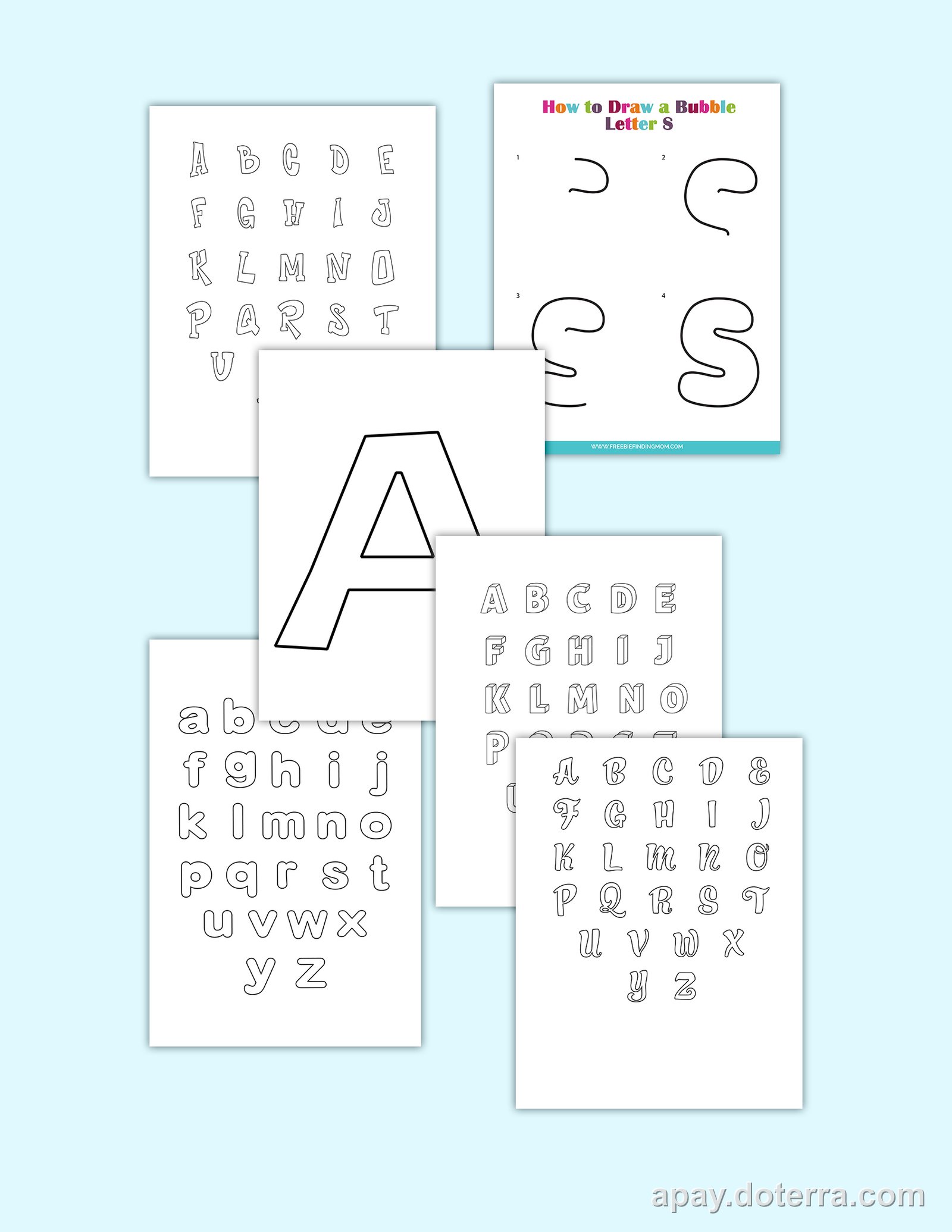
Explore "writing in drawing" with our free printable. Get tips to enhance your coloring pages and discover a simple way to add text to your drawings. Try it now!
Writing in drawing is an engaging way to blend creativity and learning, offering a unique approach to self-expression. This guide will show you how to make the most of this printable resource, whether it's a coloring page or a writing prompt, and explore its versatile nature. From kindergarten writing practice to story-telling adventures, writing in drawing can be tailored to various ages and interests.
What is "Writing in Drawing"?
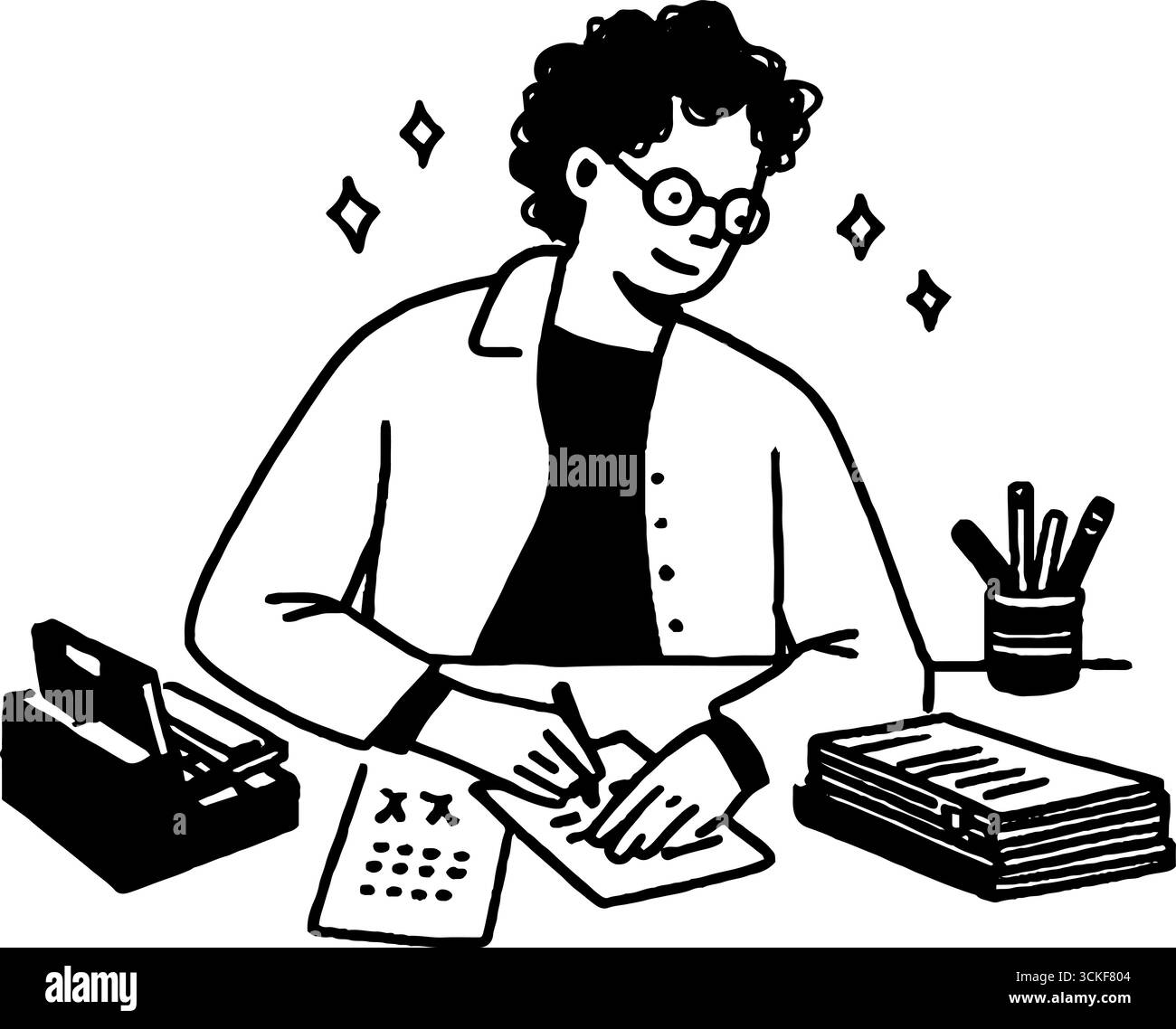
Writing in drawing is a fun and engaging way to combine two creative skills: writing and drawing. This printable offers a unique approach to storytelling and creativity, providing a platform for young writers and artists to express themselves. It is an ideal tool for encouraging imagination and developing fine motor skills.
Key Details and Prerequisites
The concept behind this printable is simple: it provides a space where children can write and illustrate their stories or ideas within a drawing. The drawing acts as a visual prompt, inspiring and guiding their writing. This method is particularly beneficial for kindergarten and early primary school-aged children, as it helps develop their writing and drawing abilities simultaneously.
Step-by-Step Guide: Using the Printable
To utilize this printable effectively, follow these steps:
Begin by printing the page on A4 or US Letter-sized paper, depending on your preference and printer settings. Ensure the printer is set to "fit to page" to avoid any distortion.
Encourage the child to study the drawing and discuss what they see. This initial observation helps them gather ideas and understand the context.
Provide writing tools such as pencils, pens, or crayons. For younger children, thicker writing instruments are recommended for easier grip and control.
Invite the child to start writing their story or description within the drawing. They can write directly on the printable or use a separate sheet of paper to draft their ideas first.
Once they have written their story, they can further enhance it by adding more details to the drawing. This step allows them to bring their story to life visually.
For an extra touch, consider laminating the completed work. This not only protects the artwork but also makes it reusable; children can use dry-erase markers to add and change details, encouraging further creativity.
Variations and Differences
It's important to note that writing in drawing printables can vary in complexity and style. Some may offer more detailed drawings with specific prompts, while others provide simpler outlines, leaving more room for the child's imagination. These variations cater to different age groups and skill levels, ensuring an appropriate challenge for each child.
Common Mistakes and How to Avoid Them
One common mistake is rushing the process. It's essential to allow children sufficient time to explore the drawing and develop their ideas. Another pitfall is providing too much guidance or interference. While some structure is beneficial, allowing children the freedom to interpret and create their own stories is crucial for fostering creativity.
Practical Tips for Accurate Results
To ensure the best experience, consider the following tips:
Personalize the printable by adding the child's name to the drawing, making it more engaging and encouraging a sense of ownership.
For teachers, these printables can be a great addition to a creative writing lesson plan. They provide a visual starting point, making it easier for students to begin writing.
Adapt the printable for different age groups by adjusting the complexity of the drawing and the writing prompts. This ensures the activity is suitable and challenging for each child's abilities.
Encourage collaboration by having children work in pairs or small groups. This promotes social interaction and allows them to learn from each other's ideas.
By following these guidelines and adapting the printable to suit individual needs, you can create an enjoyable and educational experience with writing in drawing.
So, with these tips and a little practice, you'll be well on your way to creating beautiful and unique printables. Remember, every printer and setup is unique, so it's always a good idea to check your specific requirements and make any necessary adjustments to ensure the best results.
Feel free to explore our other guides and resources; we have a range of topics that might interest you and provide further inspiration for your creative endeavors. Happy creating!
Visual Reference Gallery